
Which T-Shirt Printing Method Reigns Supreme? Exploring DTG vs. Screen Printing
# Which T-Shirt Printing Method Reigns Supreme? Exploring DTG vs. Screen Printing
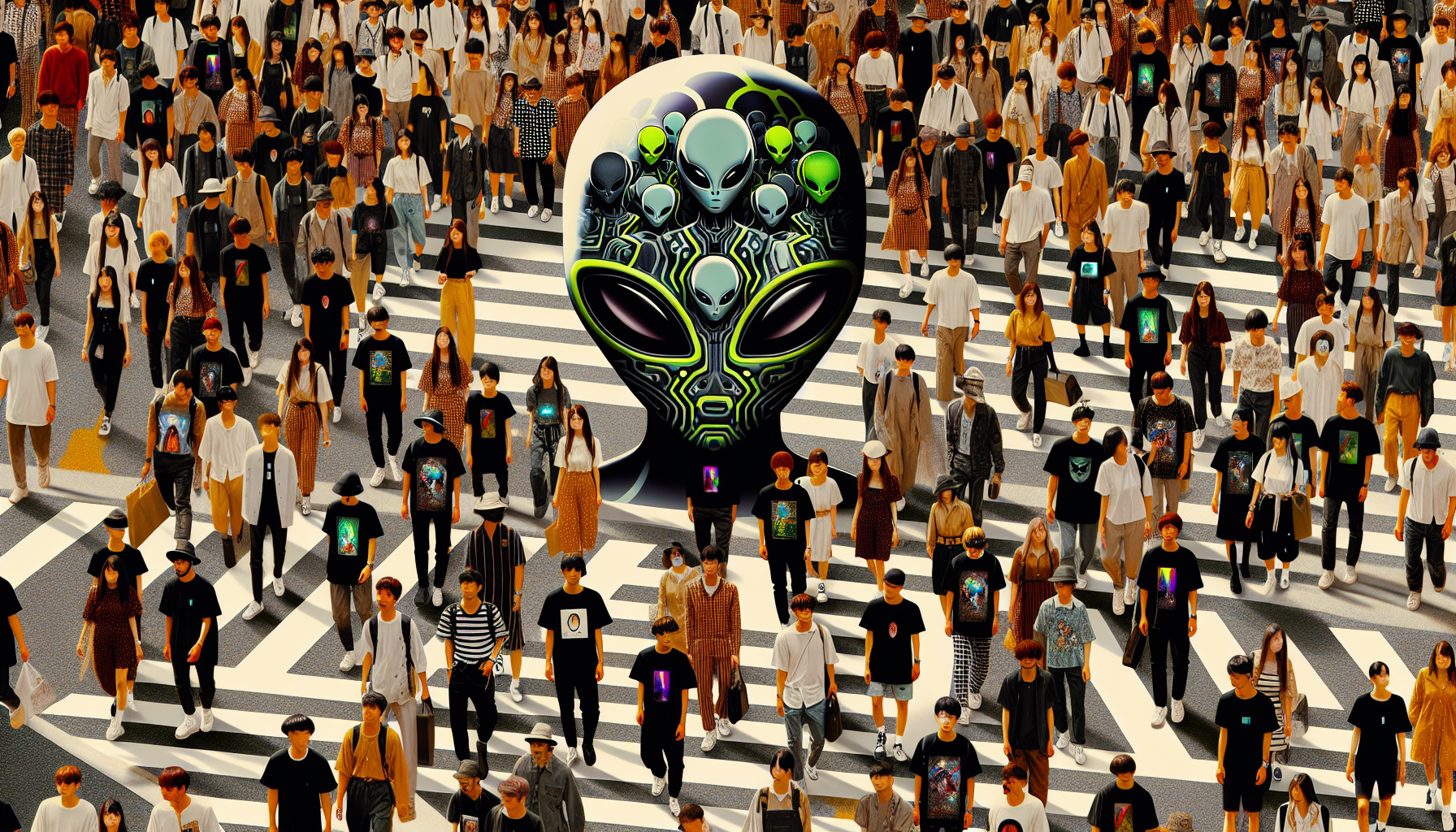
Picture this: you're walking down Shibuya Crossing in Tokyo, blending in with thousands of others, yet something about your look stands out. It's the shirt. Maybe it's the bold design, the crisp colors, or perhaps the way it resonates with the chaos of the city. That t-shirt isn’t just fabric; it’s a story told through ink and threads. But how did that story come to life? Was it through the precision of Direct-to-Garment (DTG) printing or the tried-and-true method of screen printing? Let's dive into these two titans of t-shirt printing and see which one takes the crown.
The Old Guard: Screen Printing
Screen printing, man. It's the classic vinyl record of t-shirt printing. First born in ancient China, we're talking second-century AD. This method involves creating a stencil (or "screen") and using it to apply ink onto the fabric. Each color in the design needs its own screen. It's a meticulous art form, almost like a tattoo artist working on a massive canvas.
Why do people still swear by it? It’s all about the texture and durability. The ink sits on top, creating a slightly raised surface that feels tactile and alive. Think of the Carbon XIV Samurai Cat T-Shirt with its fierce feline warrior etched vividly onto the shirt. Screen printing is perfect for solid colors and large bulk orders. But, it’s not without its flaws. Complex designs or small batches? Not its forte.
The New Kid on the Block: Direct-to-Garment (DTG)
Then there's DTG, the digital disruptor. If screen printing is a vinyl record, DTG is the Spotify of t-shirt printing. This method uses inkjet technology to print designs directly onto the fabric. It’s like your printer at home but on steroids. With DTG, the possibilities are endless. Gradients, intricate details, vibrant colors—it handles all with ease.
DTG shines when you’re working with complex and colorful designs. Consider the Japanese Landscape Alien Tee. Its blend of tradition with futuristic elements is a testament to what DTG can achieve. Plus, it's eco-friendlier and better suited for small runs. But here’s the kicker: DTG isn’t so great for dark shirts. It requires a white underbase and sometimes, the colors just don’t pop as they should.
Which One's Really the Best?
So, which one should you choose? It’s like asking whether you prefer a classic vintage car or a sleek electric vehicle. Both have their place, their fans, and their unique benefits.
The Future of T-Shirt Printing
As technology evolves, who knows what the future holds? Maybe there’ll be a hybrid of both methods, combining the efficiency of DTG with the durability of screen printing. For now, it’s a matter of preference and project needs. What do you want your shirt to say, and how do you want it to feel?
In the world of luxury streetwear, how your shirt gets made is almost as important as how it looks. It’s the difference between seeing a shirt as just another item and viewing it as a wearable piece of art.
To go further down this rabbit hole, check out the detailed breakdown in this YouTube video.
FAQ
Q: Is DTG better for starting a new streetwear brand?
A: Yes, especially if you're planning on small runs or intricate designs.
Q: Does screen printing work on all types of fabric?
A: Primarily cotton, but it can work on blends—just not as vibrantly.
Q: Can DTG handle heavy wear and washing?
A: Generally, yes, but it’s important to follow washing instructions to maintain print longevity.
Q: Is one method faster than the other?
A: DTG is quicker for small orders, but screen printing can be more efficient for large quantities.
SEO Metadata
**
Shop the Collection
Pieces from Carbon XIV that define the culture.
Alien Signal Tee
 Sale
SaleCarbon XIV Oversized Graphic T-Shirt
 Sale
SaleCarbon XIV Japanese Landscape Alien oversized Graphic Tee: Where Tradition Meets Futurism
 Sale
Sale