
Unpacking Japanese Streetwear: Style Chaos or Cultural Canvas?
# Unpacking Japanese Streetwear: Style Chaos or Cultural Canvas?
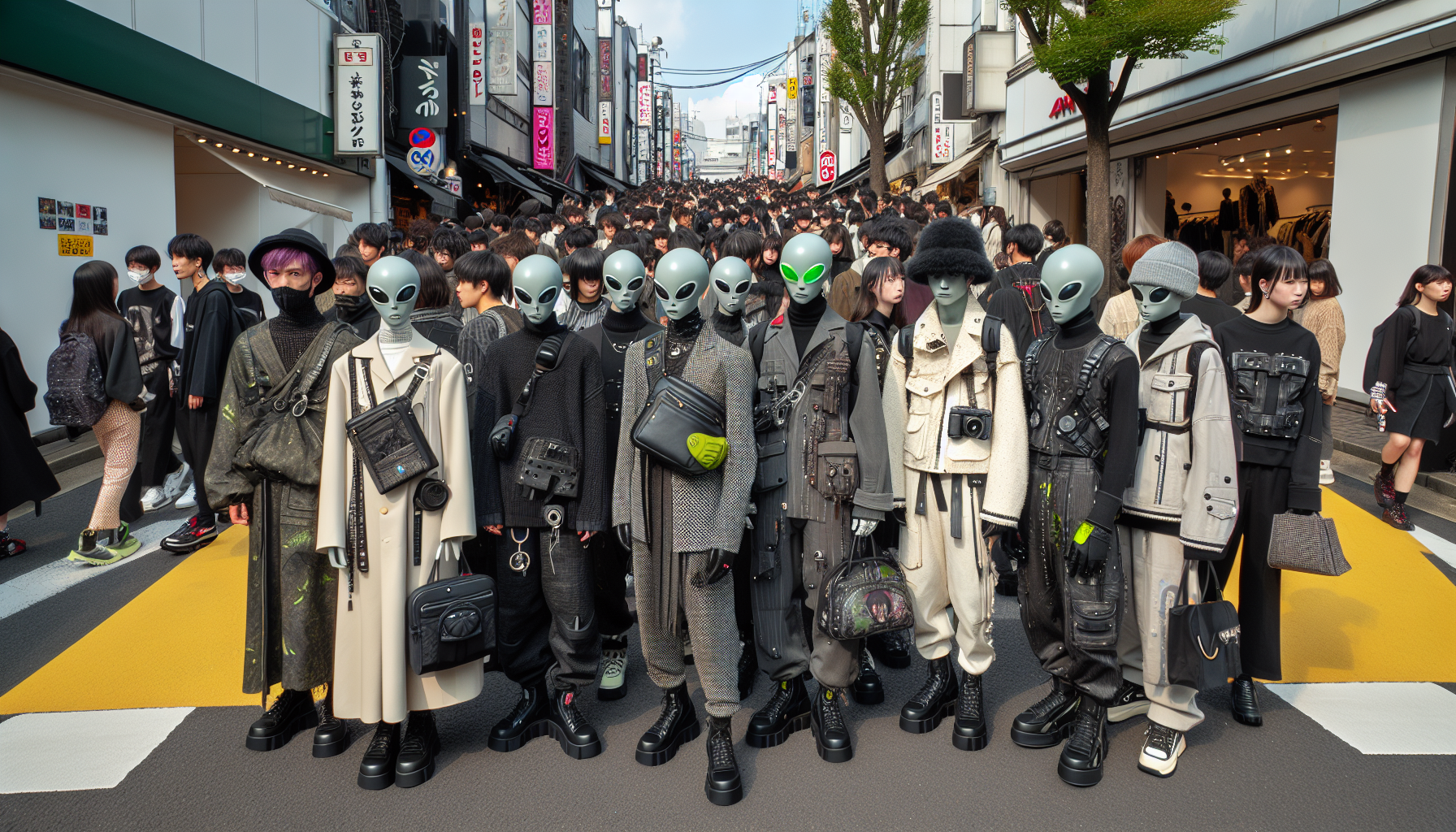
Ever walked through Harajuku and felt like you just stepped into a different universe? Tokyo's street fashion is an endless parade of layered outfits, wild color palettes, and silhouettes that seem to defy gravity. I mean, have you ever seen someone pull off a neon kimono with chunky sneakers? It's not just about what they wear; it's about how they wear it. But how in the world did Japanese streetwear morph into this kaleidoscope of styles?
The Structure Behind the Freedom
You might imagine Japan as this super buttoned-up society, right? But take a closer look. From middle school through high school, life’s pretty regimented. School uniforms, cram schools, and a social hierarchy that decides if you’re a “cool kid” or a “nerd” based on whether you have a Louis Vuitton wallet. Sounds suffocating, doesn’t it? Yet, once these kids hit university, they're suddenly free to express themselves. It’s like coming up for air.
University life in Japan isn’t the academic gauntlet you’d expect. It's more like a welcome mat to explore who you are, fashion included. No more uniforms, no more social boxes. That's when you see young adults in Tokyo start experimenting with their style. And it's not just students. Hairdressers and shop assistants join this fashion parade, too. These folks are the icons you often see in street fashion photos, and they're masterful at mixing high and low fashion into something uniquely Japanese.
SuperFlat: Culture or Consumerism?
Enter Takashi Murakami’s SuperFlat theory. Ever heard of it? Yeah, he’s the guy who designed the famous Louis Vuitton bags. SuperFlat suggests that Japanese society has become all about the surface since the '90s. It’s a world obsessed with visuals, where brands are as essential as oxygen—especially in fashion.
So, is Tokyo street style a reaction to this consumer culture, or is it part of it? Maybe it's both. People in Tokyo mix thrifted, branded, and homemade pieces into ensembles that scream individuality despite being rooted in a 'flat' visual culture. This isn’t about name-dropping brands but about telling a story through layers. And let's face it, brands like FACETASM and Undercover get this, creating pieces that look layered and complex while being deceptively simple.
The Art of the Image
Japanese streetwear is like an onion of fashion irony. On one hand, it's all surface—a visual treat. But there's more depth here than first meets the eye. These styles react against Japan’s hyper-commercialized SuperFlat world. They ditch obvious logos for subtle, layered aesthetics. Check out the Japanese Landscape Alien Tee from Carbon XIV. It's a masterpiece in mixing tradition with futurism—layered in both history and design.
And yet, the streetwear scene can't fully escape its consumerist roots. Brands matter, even when they're not front and center. People still want that Fearless Warrior T-Shirt in their ensemble. It’s all about wearing something that’s bold but layered with meaning—or at least the illusion of it.
Why It Matters
Japanese street fashion is this living, breathing contradiction. It’s a world where you can wear a Samurai Cat T-Shirt and still be taken seriously. This movement is a testament to the dynamic and ever-evolving concept of identity in Japan. It’s a blend of individual freedom and collective consumerism, a dance between tradition and modernity.
FAQ
Q1: Why is layering so popular in Japanese streetwear?
Layering adds complexity and depth, something that’s a subtle rebel yell against the flatness of commercial culture.
Q2: Do Japanese streetwear brands focus more on aesthetics than functionality?
It's a mix. While the aesthetics are crucial, brands like Undercover and FACETASM ensure functionality isn't just an afterthought.
Q3: How do Japanese streetwear consumers view vintage or thrifted clothing?
They love it. It’s a way to express individuality and creativity while avoiding logo-heavy branding.
Q4: Is branding really less important in Japanese streetwear?
Yes and no. Logo isn't king here, but the brand still plays a role in the overall narrative of an outfit.
SEO Metadata
**
Shop the Collection
Pieces from Carbon XIV that define the culture.
Alien Signal Tee
 Sale
SaleCarbon XIV Oversized Graphic T-Shirt
 Sale
SaleCarbon XIV Japanese Landscape Alien oversized Graphic Tee: Where Tradition Meets Futurism
 Sale
Sale