
Unlocking Threads of the Past: Prehistoric Japanese Fashion
# Unlocking Threads of the Past: Prehistoric Japanese Fashion
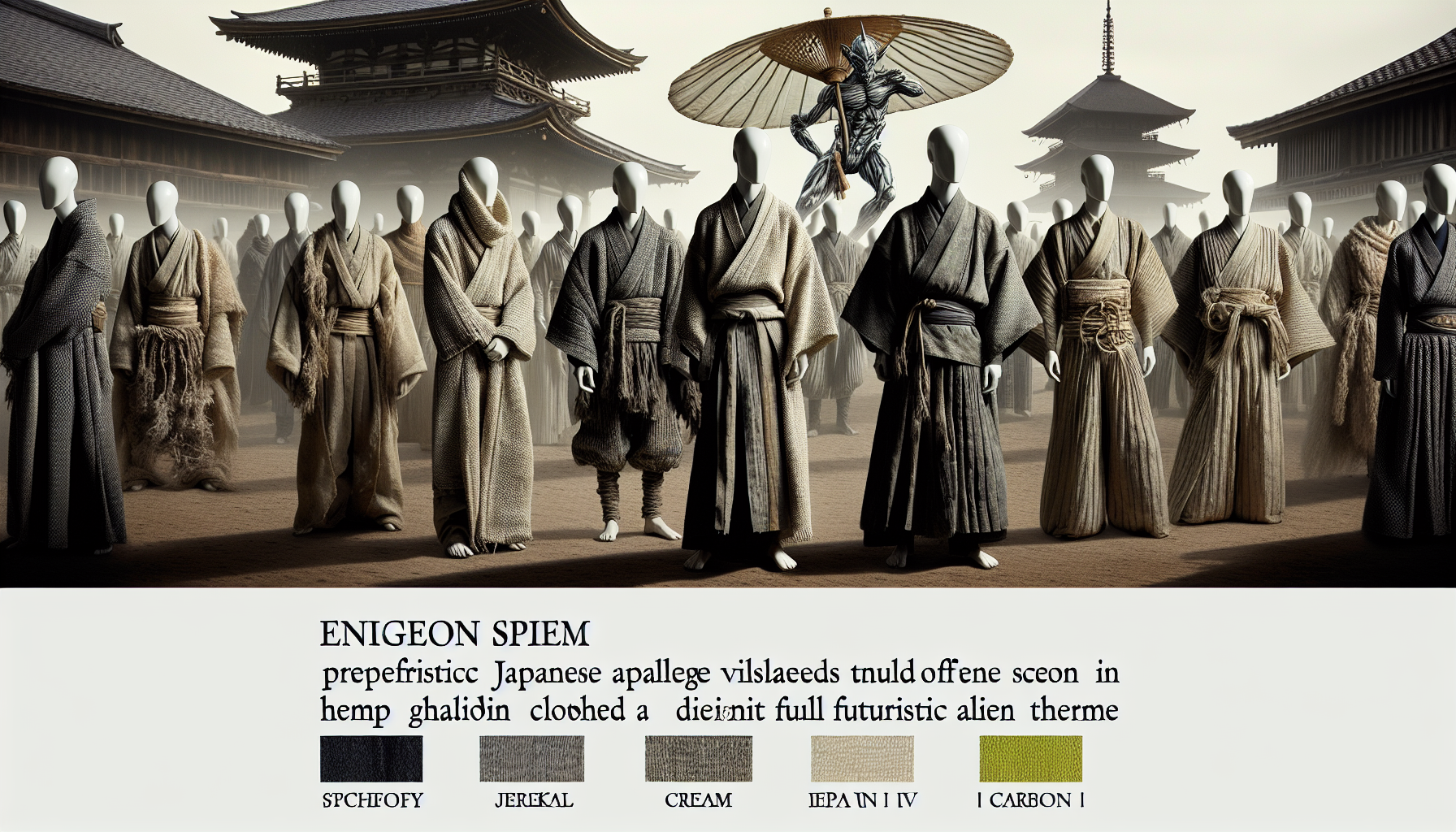
Imagine strolling through the fire-lit corridors of a Jomon village, the smell of earth and smoke hanging in the air. On the horizon, a figure appears, draped in garments woven from hemp and linen. This was not just a fashion statement; it was survival, art, and identity all spun into one. While we’re all about futuristic style at Carbon XIV, there’s something undeniably cool about looking back to see how far we’ve come. Yeah, we’re talking prehistoric Japanese fashion.
Threads from the Ancient Loom
Ever worn a Carbon XIV Samurai Cat T-Shirt and felt like a warrior ready to take on the day? Prehistoric Japanese folks were doing something similar, minus the tees, of course. They relied on hemp and linen—not exactly today's streetwear but revolutionary in their time. These materials were lightweight, breathable, and durable. Perfect for the humid climate of ancient Japan. And trust me, if you lived in the Jomon period, you'd appreciate a fabric that didn't make you feel like you'd been wrapped in cling film.
Hemp: The Fabric of Legends
Hemp, the unsung hero of prehistoric textiles, was a staple. It’s like that one underrated song in your playlist that you can’t stop playing. Hemp doesn’t get the applause it deserves; it’s sustainable, strong, and versatile. Ancient Japanese fashionistas—though they’d probably roll their eyes at the term—used hemp for its reliability. But it's not just about functionality. They were artists, too. Dyeing techniques added color and personal flair, making each piece unique. The Jomon people had skills, and they flaunted them, not unlike the way we do with a Fearless Warrior T-Shirt.
Linen: Light as the Air
Then there’s linen. What’s not to love? Even today, a good linen piece is like finding a dollar in your coat pocket. The Jomon people spun linen from the fibers of the flax plant, crafting garments that shielded them from sun and rain. Linen was luxurious, and wearing it was a statement. It’s like pulling on a Japanese Landscape Alien Tee that screams, “I’ve got taste, and I know comfort.”
The TikTok Lens
Now, for all you visual learners out there, my friend Kai McKenzie dropped some knowledge on this very topic over on TikTok. He's got a knack for bringing ancient history to life. You can check it out here. It’s like seeing an ancient runway show, minus the catwalk drama.
Modern Echoes in Streetwear
So, why does this matter today? Because fashion is cyclical, and the roots of streetwear dig deep into these ancient traditions. When you rock a Pop Art Aliens T-Shirt, you’re tapping into a narrative as old as time. We blend tradition with the now, and there's nothing more powerful than that.
The Unfinished Story
Isn’t it intriguing how the past keeps creeping into our closets? Perhaps we’ve just scratched the surface here. The full story of prehistoric Japanese fashion is still unfolding, much like a new Samurai Geisha Alien Tee that’s waiting to make its debut on your Instagram feed. There's always more to uncover...
FAQs
What materials did prehistoric Japanese fashion utilize?
Hemp and linen were the go-to fabrics for their durability and comfort.
Why is hemp significant in ancient fashion?
Hemp was sustainable and versatile, making it ideal for clothing and other uses.
How does ancient Japanese fashion influence modern streetwear?
The blend of function, style, and sustainability is mirrored in contemporary designs.
Where can I learn more about prehistoric Japanese fashion?
Kai McKenzie's TikTok video is a great resource for diving deeper into this topic.
SEO Metadata
**
Shop the Collection
Pieces from Carbon XIV that define the culture.
Alien Signal Tee
 Sale
SaleCarbon XIV Oversized Graphic T-Shirt
 Sale
SaleCarbon XIV Japanese Landscape Alien oversized Graphic Tee: Where Tradition Meets Futurism
 Sale
Sale