
The Vibrant Threads of Japanese History: A Journey Through Time
# The Vibrant Threads of Japanese History: A Journey Through Time
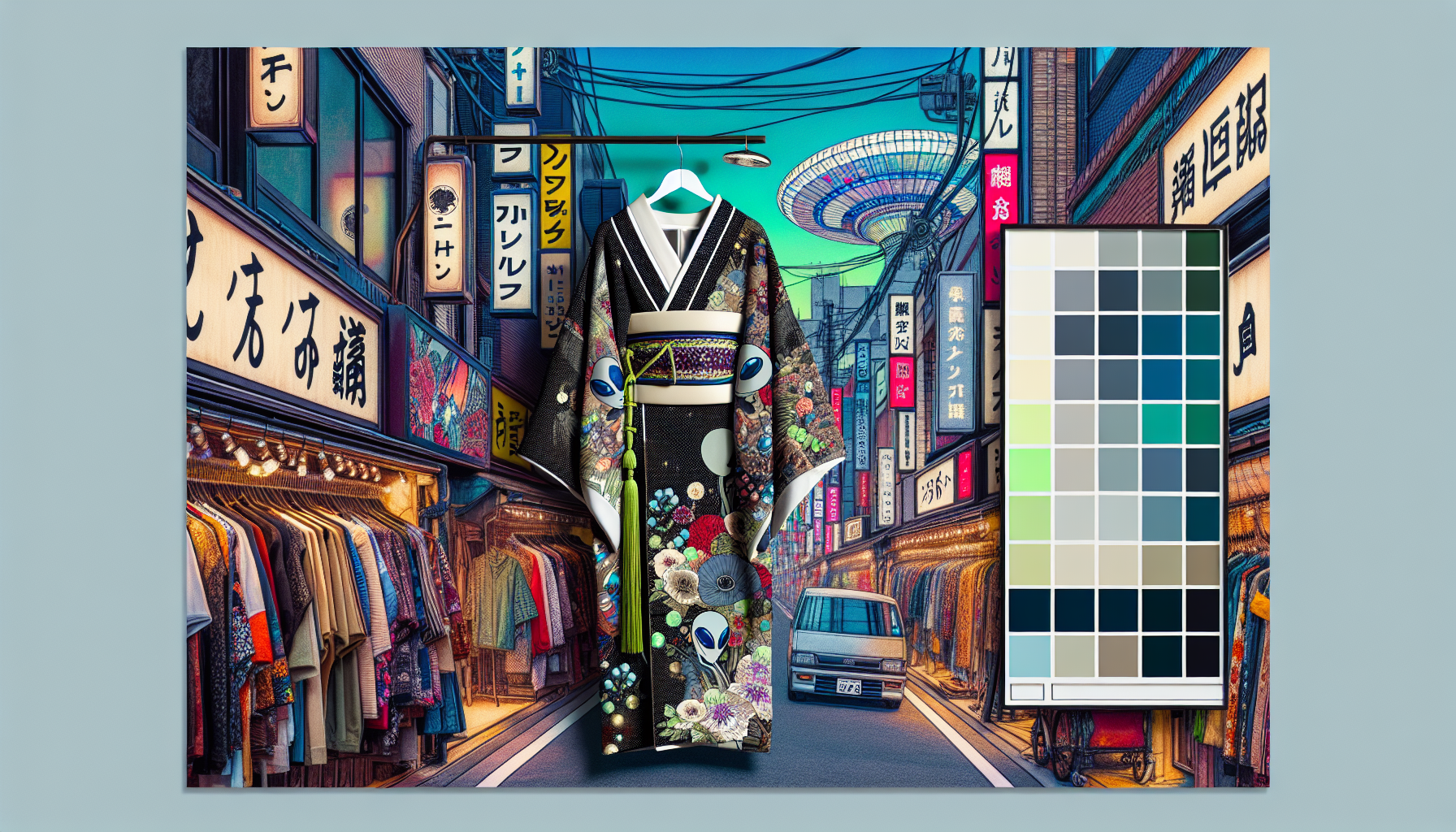
Picture this: You’re walking down Harajuku, Tokyo's electric fashion district, and your eyes catch a flash of vivid colors. Traditional kimonos intermingled with avant-garde streetwear. It's like the past and future are having a style-off. This blend isn’t just a fad—it's a testament to Japan's unique ability to juxtapose its rich history with cutting-edge fashion. But how did this fusion come to be? Let's time travel back to the origins of Japanese clothing and see how these ancient threads have woven themselves into modern street style.
The Origins: Kimono and Beyond
Long before the Carbon XIV Japanese Landscape Alien Tee turned heads on the streets, Japan's sartorial story began with the kimono. This robe-like garment, which literally means "thing to wear," has been the cornerstone of Japanese fashion for centuries. It wasn't just about appearance—each kimono's fabric, color, and design told a story, signifying the wearer’s status and the season. But what about those intricate patterns? Oh, they’re more than just eye candy. Each motif carries deep cultural significance, from cranes symbolizing longevity to cherry blossoms representing the fleeting nature of life.
And you’ve got to love how Japanese culture doesn’t throw anything away. Take the hakama, those wide-legged pants that samurai rocked. Today, you see echoes of them in the baggy silhouettes that dominate Japanese streetwear. It’s no surprise that garments like the Carbon XIV Samurai Cat T-Shirt play into this aesthetic, bringing a slice of warrior spirit to the urban jungle.
Edo to Meiji: The Evolution Continues
Fast forward to the Edo period (1603-1868), where fashion became more accessible. The merchant class, rising in wealth, started to emulate the samurai elite's style. Think of it like the original luxury streetwear. Meanwhile, the Meiji era saw Western influences—suits and ties made their debut, blending seamlessly with traditional attire. But it wasn’t just about copying Western styles; it was about adapting and owning them. That’s the essence of modern Japanese fashion: remixing the global with the local.
And here we find the roots of what makes pieces like the Carbon XIV Samurai Geisha Alien Tee resonate. It’s a fusion of elements that might seem worlds apart but together create something captivating and new.
20th Century to Now: From Kimonos to Catwalks
By the 20th century, Japan was a full-blown fashion powerhouse, influencing trends worldwide. Designers like Issey Miyake and Rei Kawakubo shattered conventional norms, and suddenly, minimalism and bold innovation were the names of the game. This was the era of experimentations—where asymmetrical cuts and unorthodox materials made their mark. Just think about how today, oversized fits have a cult following. The Carbon XIV Oversized Graphic T-Shirt echoes that philosophy, offering comfort without sacrificing style.
And then there’s the streetwear scene, a vibrant mix of the old and new, where subcultures embrace everything from Harajuku quirkiness to Shibuya's sleek minimalism. It’s a playground for blending the alien with the familiar; a place where a t-shirt can be an artistic canvas and a statement piece all in one.
The Future of Japanese-Inspired Fashion
So what’s next on the horizon for Japanese-inspired fashion? As technology advances, we’re likely to see smart fabrics and AI-designed patterns take the stage, all while paying homage to traditional roots. It’s this dual focus on the past and future that keeps the fashion scene vibrant and relevant.
In essence, Japanese clothing history isn’t just a lesson in sartorial elegance—it's a narrative of resilience, adaptation, and innovation. And whether you're donning a Carbon XIV Pop Art Aliens T-Shirt or an exquisite silk kimono, you're participating in a story that spans centuries.
For those curious about more details on this fascinating tapestry, check out this source.
FAQ
Why is the kimono significant in Japanese culture?
The kimono isn't just a garment; it's a cultural symbol representing various elements like status, season, and personal stories through its intricate designs.
How has Japanese clothing influenced modern streetwear?
Japanese fashion’s focus on minimalism, innovation, and cultural fusion has greatly impacted global streetwear, inspiring bold silhouettes and unique aesthetics.
What role do designers like Issey Miyake play in this history?
Icons like Miyake challenged traditional fashion norms, introducing avant-garde concepts and techniques that still influence contemporary designs.
Is traditional Japanese fashion still relevant today?
Absolutely. Traditional elements often inspire modern designs, evident in today’s hybrid styles that blend historical motifs with contemporary fashion.
SEO Metadata
Shop the Collection
Pieces from Carbon XIV that define the culture.
Alien Signal Tee
 Sale
SaleCarbon XIV Oversized Graphic T-Shirt
 Sale
SaleCarbon XIV Japanese Landscape Alien oversized Graphic Tee: Where Tradition Meets Futurism
 Sale
Sale