
The Unexpected Style Evolution: Japan's Edo to Meiji Transition
# The Unexpected Style Evolution: Japan's Edo to Meiji Transition
Picture this: It's like flipping through the pages of a manga, where each panel jumps from one era to another, each transition more dynamic than the last. That's the sensation you get when diving into Japanese fashion design, particularly the shift from the Edo to the Meiji period. It's a tale of tradition, rebellion, and an unmistakable cultural flair that resonates even today. As you scroll through TikTok, creators like Kai McKenzie capture this evolution in a way that feels simultaneously ancient and fresh.
From Kimono to Western Influence: A Fashion Revolution
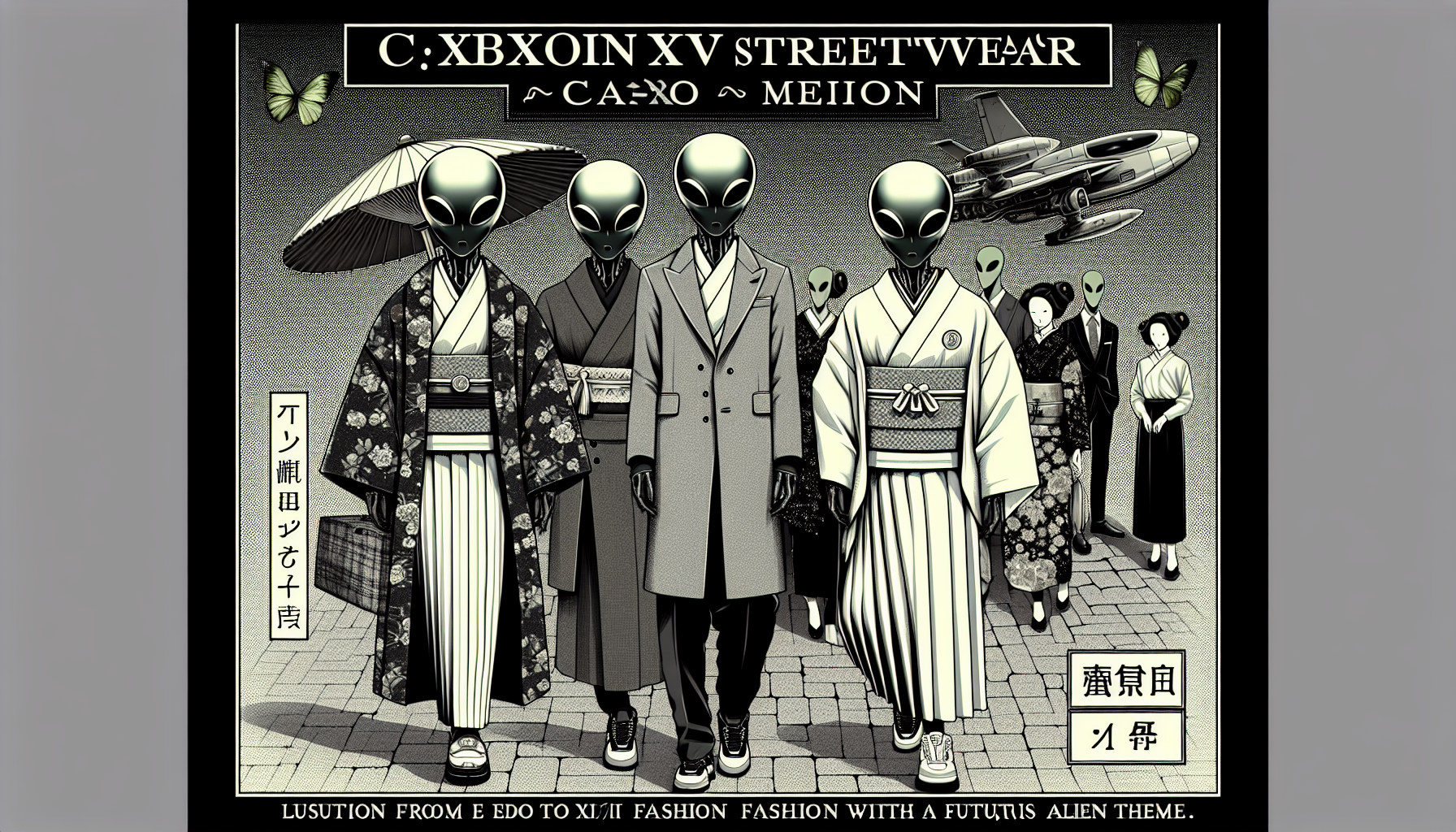
During the Edo period (1603-1868), fashion was all about the kimono. These weren't just garments; they were expressions of one's social standing and personal identity. Picture the intricate silk patterns, each stroke telling a story. But then, the Meiji era (1868-1912) kicked in, and everything went topsy-turvy. Western influence swept the nation like a tide, and suddenly, trousers and suits were the new black. This transition was as radical as pairing a Carbon XIV Samurai Geisha Alien Tee with traditional geta sandals.
And yet, it wasn't just about adopting Western styles. The Meiji period was about fusion—melding the East with the West, creating something uniquely Japanese yet globally appealing. It's the kind of audacity you'd find in a Carbon XIV Japanese Landscape Alien Tee, where tradition meets futurism head-on.
Streetwear: The Modern Samurai Armor?
Skip to today, and you realize this fusion hasn't just survived; it's thrived. Streetwear in Japan is a vibrant tapestry woven with threads of both tradition and innovation. It's like the spirit of the samurai lives on—not with swords, but through bold prints and oversized fits. Take the Carbon XIV Samurai Cat T-Shirt, for instance. It's not just any tee. It's a fierce tribute to the feline warriors of yore, capturing the essence of bravery in style.
Japanese streetwear brands have mastered this art of storytelling through clothing. Brands like A Bathing Ape and Comme des Garçons aren't just selling clothes; they're offering a narrative, a glimpse into a culture that's as complex as it is captivating. And isn't that what we all want? To wear something that speaks volumes without saying a word?
The Influence of Technology and Social Media
Here's where it gets really interesting. In the age of TikTok and Instagram, fashion isn't just about what you wear—it's about how you share it. Social media platforms have become digital runways where fashionistas flaunt their style and creativity in real-time. It's like the Edo merchants who once peddled their wares in bustling markets, now showcasing their crafts to a global audience.
Creators like Kai McKenzie are doing for Japanese fashion today what ukiyo-e artists did centuries ago: capturing the zeitgeist, one short video at a time. The Carbon XIV Alien Logo Oversized T-Shirt serves as a canvas, ready to be splashed across social feeds, a testament to how far fashion has come and where it's headed.
A Style That's Here to Stay
So, what's the takeaway? The story of Japanese fashion from the Edo to Meiji period isn't just a historical account—it's a blueprint for modern style dynamics. It's about embracing change while honoring tradition, a balancing act that resonates with today's fashion-savvy crowd. And in a world where trends shift faster than you can say "kawaii," that balance is more crucial than ever.
FAQs
How did Western fashion influence Japan during the Meiji period?
Western fashion introduced structured garments like suits and trousers, blending with traditional Japanese apparel to create a unique style fusion.
Why is Japanese streetwear so popular today?
Japanese streetwear combines traditional elements with modern aesthetics, offering a storytelling experience that's both unique and globally relatable.
What role does social media play in Japanese fashion?
Platforms like TikTok and Instagram have turned fashion into a visual narrative, allowing creators to showcase their styles to a worldwide audience.
How can I incorporate traditional Japanese elements into my wardrobe?
Opt for pieces like the Carbon XIV Fearless Warrior T-Shirt that blend traditional motifs with contemporary streetwear styles.
SEO Metadata
**
Shop the Collection
Pieces from Carbon XIV that define the culture.
Alien Signal Tee
 Sale
SaleCarbon XIV Oversized Graphic T-Shirt
 Sale
SaleCarbon XIV Japanese Landscape Alien oversized Graphic Tee: Where Tradition Meets Futurism
 Sale
Sale