
The Printing Method Showdown: DTG, DTF, and Screen Printing
# The Printing Method Showdown: DTG, DTF, and Screen Printing
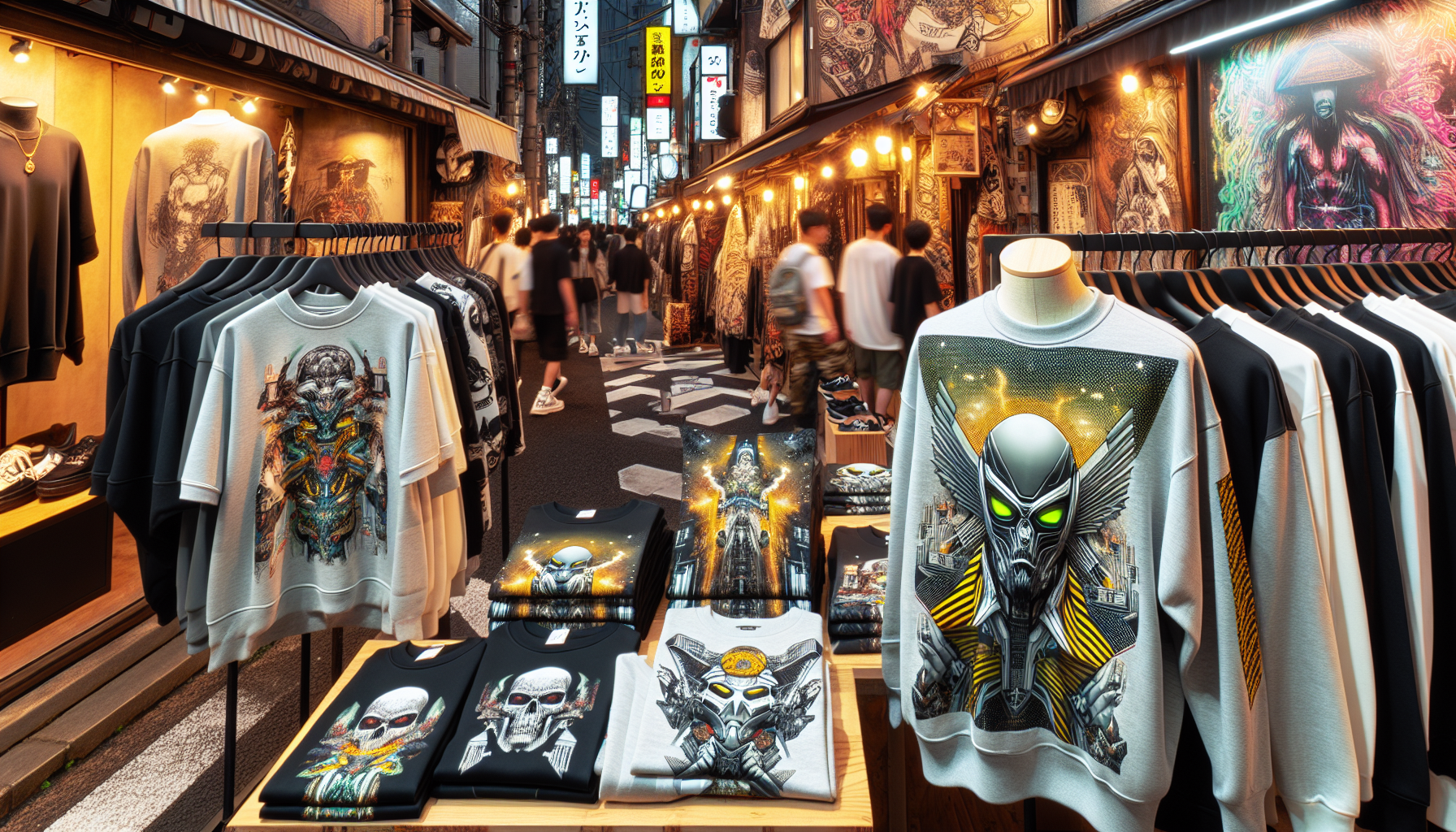
Imagine you're walking through Harajuku, Tokyo, where streetwear isn't just clothing—it's an expression, an art form. You gaze at a Carbon XIV Samurai Cat T-Shirt hanging in a boutique, and you wonder, "How did that vibrant art get on that fabric?" The answer is hidden in the world of printing methods: DTG, DTF, and screen printing. But which one's the real MVP for your streetwear game?
A Beginner's Journey Through Ink and Fabric
When I first plunged into the abyss of custom t-shirt printing for my own streetwear line, I was overwhelmed. DTG, DTF—acronyms bouncing around like crazy. Turns out, these aren't just letters; they're the gatekeepers to how your designs pop on fabric. Understanding them can make or break your brand.
DTG: Direct-to-Garment Magic
DTG's like that indie artist with cult status—cool, but you've gotta know where to look. It’s all about spraying ink directly onto the fabric. Think of it as a high-tech inkjet printer. The colors are natural, especially on light fabrics, and you’re looking at a soft feel no one can resist. But... it falters on polyester. You're golden on cotton, though, and need pretreatment for anything else.
And here’s the clincher—setup costs range from $3,000 to $15,000. For speed, DTG's a bit slow, printing about 12 shirts an hour. So, it's perfect for Etsy sellers or anyone slinging Japanese Landscape Alien Tee on-demand.
DTF: The New Kid on the Block
Here's what blew my mind: DTF (Direct-to-Film) is the new darling of the scene. It’s like DTG had a glow-up and got a sidekick—a film that gets transferred onto fabric. It's flexible and can roll with cotton, blends, and even polyester. The setup's cheaper too, starting at $1,200.
What makes DTF shine? It's the double-duty effect—vivid whites and tough prints that embrace streetwear's boldness. Shipping faster? Yes, please. Carbon XIV Oversized Graphic T-Shirt printed via DTF is gonna hold up, wash after wash.
Screen Printing: The OG of Fabric Art
Screen printing is like the grandmaster of T-shirt printing. It’s been around forever and it’s not going anywhere. This method pushes ink through a stencil onto fabric, like a graffiti artist with a spray can. It’s durable, no doubt, but better for bulk orders due to its hefty setup time and cost. If you're running a line of Fearless Warrior T-Shirts for a festival, this is your best bet.
But here’s the thing—plastisol ink used in screen printing isn't exactly eco-friendly. You’re trading sustainability for durability. Not something you’d do lightly in today’s world.
The Eco Factor: When Green’s the New Black
Our planet’s feeling the strain, and your printing method can either help or hurt. DTG and DTF use water-based inks, making them the greener choice. Screen printing, though, with its plastisols and high waste, is like that old habit you just can't shake off.
When to Mix It Up
Sometimes, you need to mix methods. A DTG print on cotton with a screen-printed logo—might just be the secret sauce for your next drop. You gotta experiment, find what sticks.
The Bottom Line
Picking a printing method isn't just a checkbox on your to-do list; it's a defining choice for your brand. Whether you're crafting the next Alien Logo Oversized T-Shirt or a limited run of Pop Art Aliens T-Shirts, each method has its place.
FAQ
Q1: What's the best method for urgent orders?
A1: DTG shines for on-demand orders. It's quick with no setup delays.
Q2: Which method is most durable?
A2: Screen printing wins for durability, lasting 100+ washes.
Q3: Can I print on polyester with DTG?
A3: You can, but it requires a pretreatment step.
Q4: Is DTF environmentally friendly?
A4: Yes, it's eco-friendlier than screen printing and almost as good as DTG.
SEO Metadata
**
Shop the Collection
Pieces from Carbon XIV that define the culture.
Alien Signal Tee
 Sale
SaleCarbon XIV Oversized Graphic T-Shirt
 Sale
SaleCarbon XIV Japanese Landscape Alien oversized Graphic Tee: Where Tradition Meets Futurism
 Sale
Sale