
The Evolution of Japanese Streetwear: Where Tradition Meets Futurism
# The Evolution of Japanese Streetwear: Where Tradition Meets Futurism
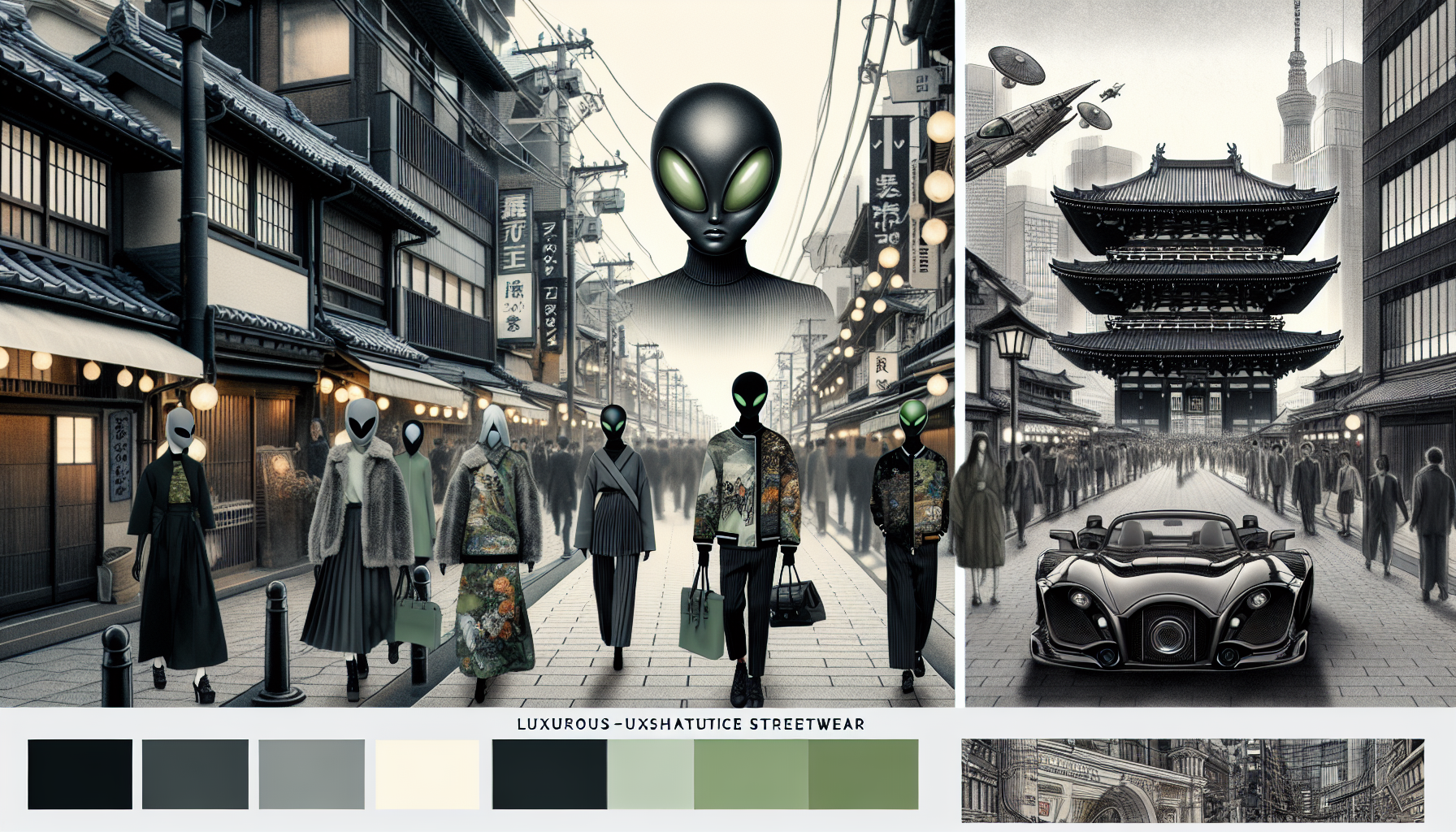
You're walking down Harajuku's Takeshita Street, and it hits you—Japanese streetwear isn't just a style; it's a whole vibe, a culture and an art form. It's where traditional kimonos collide with futuristic designs to give birth to something entirely unique. Sure, Tokyo's a melting pot of cultures, but it’s the Japanese brands that have mastered the art of blending the old with the new. Ever wonder how they do it?
From Kimono Silks to Street Style
Japan's luxury brands know their roots. They’ve been doing this since fashion was fashion, mixing elegant kimono silks with unexpected, edgy elements. The result? A streetwear culture that’s both luxurious and rebellious. And it’s not just about clothes; it’s about a mindset. It's about taking the old and making it new, making it yours. That's what you get with an oversized graphic tee from Carbon XIV.
The Iconic Brands That Paved the Way
We’ve gotta talk about NIGO and his revolutionary brand A Bathing Ape (BAPE). Launched in 1993, BAPE took the world by storm with its bold graphics and camo prints. NIGO made streetwear cool before it was cool—like the Japanese Landscape Alien Tee takes tradition and infuses it with a dose of the unearthly.
And let’s not forget COMME des GARÇONS by Rei Kawakubo, which redefined what it means to wear art. Her avant-garde collections are the stuff of legends. These visionaries didn’t just create clothes; they told stories—stories that resonate with today’s youth hungry for a mix of identity and innovation.
Streetwear's Cultural Impact
So, why does Japanese streetwear matter? It’s more than hype; it's a bridge between the past and future. It’s a cultural landmark like the Samurai Cat T-Shirt that combines traditional Japanese art with modern streetwear sensibilities. This isn’t just about aesthetics; it’s about cultural preservation through style.
Japan’s approach to streetwear also challenges Western norms. Here, rebellion isn’t just about looking different; it’s about embracing who you are. It’s about wearing your story on your sleeve—literally.
The Future of Japanese Streetwear
Where do we go from here? Well, the sky’s the limit. With technology and sustainability taking center stage, expect brands to continue pushing boundaries. Maybe we’ll see smart fabrics or even more interactive designs. Who knows? One thing’s for sure: The fusion of tradition and innovation isn’t going anywhere.
And speaking of innovation, the Fearless Warrior T-Shirt takes the timeless samurai spirit and infuses it with modern design, embodying the evolution of streetwear perfectly.
FAQs
What defines Japanese streetwear?
Japanese streetwear is a mix of traditional elements like kimono fabrics with modern and often futuristic designs. It’s both luxurious and edgy.
Who are some of the pioneers in Japanese streetwear?
NIGO with BAPE and Rei Kawakubo with COMME des GARÇONS are among the key pioneers who revolutionized Japanese streetwear.
How does Japanese streetwear differ from Western streetwear?
Japanese streetwear often incorporates traditional elements and focuses on storytelling, while Western streetwear tends to emphasize casual and athletic styles.
What’s next for Japanese streetwear?
Expect more technological innovations and sustainable practices, potentially involving smart fabrics and interactive designs.
SEO Metadata
Shop the Collection
Pieces from Carbon XIV that define the culture.
Alien Signal Tee
 Sale
SaleCarbon XIV Oversized Graphic T-Shirt
 Sale
SaleCarbon XIV Japanese Landscape Alien oversized Graphic Tee: Where Tradition Meets Futurism
 Sale
Sale