
The Enigma of Japanese Streetwear: Culture, Expression, and SuperFlat Theory
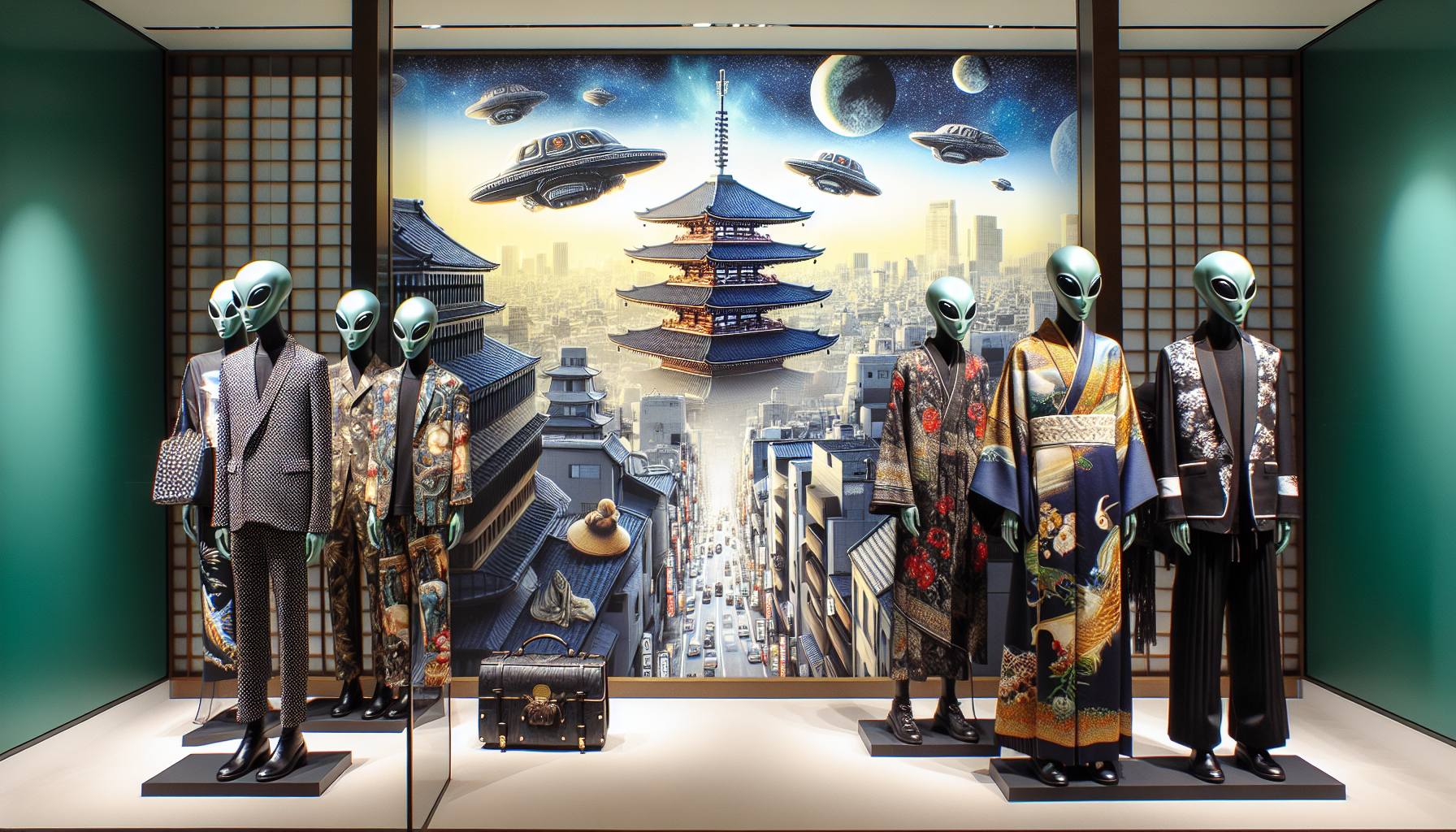
# The Enigma of Japanese Streetwear: Culture, Expression, and SuperFlat Theory
Ever wandered through Tokyo's bustling streets and felt overwhelmed by the sheer artistry of outfits parading past you? It's more than just clothing; it's a cultural phenomenon. Japanese streetwear is a vibrant palette of imagination and rebellion, layered over a canvas of tradition. But why is it that way? Let's unravel this enigmatic style that tells stories without uttering a word.
Tokyo's Fashion Hotbed: More Than Meets the Eye
Hopping off at one of Shibuya's crowded crossings, you might catch a glimpse of students, hairdressers, and shop assistants wearing ensembles that seem pulled straight from an avant-garde art show. It's not the suits and ties you'd expect in a society known for its structure and uniformity. Turns out, Japanese street fashion is as complex as the city itself. It's a reaction against that very rigidity, an explosion of creativity in a society otherwise defined by rules.
The majority of young Japanese folks, especially in Tokyo, spend their school years buried in textbooks and cram sessions. University life, however, opens up a whole new world of freedom. It's no surprise then, that university students are often the forerunners of Tokyo's street fashion, exploring styles that break the monotony of their earlier uniformed lives.
The SuperFlat Theory: Artistry or Anarchy?
So, how did this kaleidoscope of styles come to be? Look no further than the SuperFlat theory by Takashi Murakami. He argues that Japanese culture has grown obsessed with the visual, focusing on surface rather than substance. This theory explains the overwhelming presence of logos in Japanese streetwear, where brands like Supreme explode in popularity. Imagine Carbon XIV Samurai Cat T-Shirt being worn not just for its art, but as a symbol of rebellion against the structured norms.
SuperFlat suggests that everything is commercialized, yet paradoxically, street fashion in Tokyo incorporates minimal branding and a mix of thrifted and high-end pieces. This blend is where Carbon XIV Japanese Landscape Alien Tee comes into play, embracing both the simplicity and the statement.
Layering and Versatility: The Japanese Streetwear Aesthetic
Ever notice how Japanese streetwear is all about layers? It's not just to combat the chill of a Tokyo winter. Layering adds depth—albeit a superficial one—and creates striking silhouettes. Brands like FACETASM and Undercover have mastered this art, crafting outfits that look effortlessly layered without the bulk. This is what makes streetwear in Tokyo an ever-evolving game of visual one-upmanship.
Mixing textures, patterns, and shapes, these outfits become living art installations. Carbon XIV Samurai Geisha Alien Tee exemplifies this, as it blends tradition with modernity, creating a visual narrative that's both rich and understated.
Street Fashion as a Cultural Dialogue
While Western fashion often ties clothing to identity, Japanese streetwear detaches image from meaning. You might see someone rocking a punk ensemble, but it doesn't necessarily mean they're living the punk lifestyle. It's fashion for fashion's sake, a surface-level expression that still says so much. And that's the beauty of it.
The way the Japanese embrace streetwear can be seen as a dialogue between tradition and modernity, structure and freedom. It's a conversation that isn't bound by language but is expressed through threads and textiles.
FAQ
Why is Japanese streetwear so unique?
Japanese streetwear is an amalgamation of historical influences, modern art theories like SuperFlat, and a cultural reaction to societal constraints. It's unique because it combines these elements in ways that challenge conventional fashion norms.
What role do brands play in Japanese streetwear?
Brands in Japanese streetwear often serve as visual elements rather than status symbols. They contribute to the aesthetic without overshadowing the individual style of the wearer.
How does Japanese street fashion differ from Western styles?
While Western fashion often ties clothing to personal identity, Japanese street fashion is more about visual expression and creativity. It's less about defining oneself and more about exploring aesthetics.
Can I incorporate Japanese streetwear into my wardrobe?
Absolutely! Start by experimenting with layering and mixing different textures and patterns. Check out pieces like the Carbon XIV Samurai Cat T-Shirt for inspiration.
Inspired by insights from a [Reddit discussion](https://www.reddit.com/r/malefashionadvice/comments/17bkew/japanese_streetwear_a_basis/).
SEO Metadata
Shop the Collection
Pieces from Carbon XIV that define the culture.
Alien Signal Tee
 Sale
SaleCarbon XIV Oversized Graphic T-Shirt
 Sale
SaleCarbon XIV Japanese Landscape Alien oversized Graphic Tee: Where Tradition Meets Futurism
 Sale
Sale