
Peering Through the Layered Lens of Tokyo Streetwear
# Peering Through the Layered Lens of Tokyo Streetwear
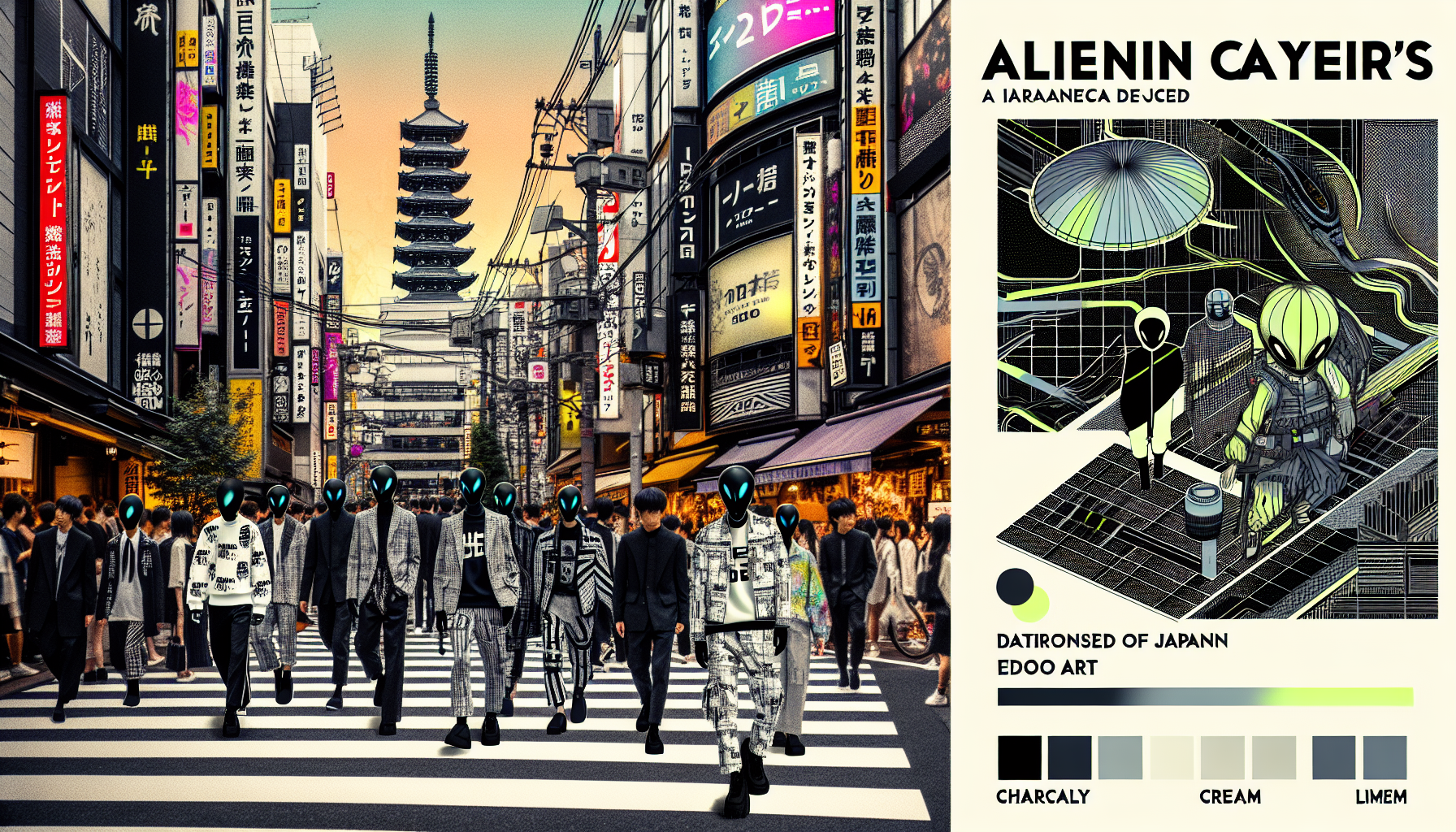
Picture this: you're wandering through the bustling streets of Harajuku, the epicenter of Tokyo's street fashion. Vibrant hues and eclectic silhouettes dance by as people showcase their personal fashion stories. It's a scene that could bewilder the uninitiated, a kaleidoscope of styles that defies the conservative image some might hold of Japan. But why does this audacious style exist amidst the country's structured backdrop?
Unpacking the Layers: The Influence of SuperFlat
Takashi Murakami's SuperFlat theory gives us a peek into the cultural phenomenon that fuels this fashion revolution. At its core, SuperFlat suggests a society captivated by surface appearances, where depth and meaning have been flattened into mere visuals. It's like art and fashion had a baby, but that kid's all about image—think Supreme's logo-centric approach, a brand that Japan's subcultures embraced like a long-lost sibling.
Tokyo's streetwear scene thrives on this paradox: it rebels against superficiality while basking in it. In a city where the brand FACETASM sets the tone with its deceptive layers and mixed materials, understanding this style is like peeling an onion—each layer reveals more intrigue.
A New Kind of Freedom: Expression in the Streets
Tokyo's youth, especially university students and creatives like hairdressers, are at the forefront of this sartorial movement. Freed from the regimented school system, they dive headfirst into expression, crafting looks that might feature a Carbon XIV Samurai Cat T-Shirt or a Japanese Landscape Alien Tee.
This shift from conformity to creativity is palpable. It's not about shouting individuality from the rooftops, but a subtle nod towards a blend of personal and cultural representation. Labels like Nike and CDG pop up, not as brash logos, but woven into a tapestry of identity and style.
The Role of Conformity
That brings us to an interesting twist—while streetwear in Tokyo thrives on individuality, it also involves a bit of conformity. There's a silent understanding among enthusiasts: the art of layering, the preference for loose fits, and the eclectic mixes. It's like an unspoken club where everyone knows the rules but still plays their own game. The Fearless Warrior T-Shirt is not just a piece of clothing; it’s a statement, a call to embrace the duality of tradition and futurism.
Streetwear's Allure: More Than Meets the Eye
The beauty of Tokyo streetwear lies in its dual nature. On one hand, it embraces the shallowness of SuperFlat, while on the other, it fights back with ingenuous creativity. It's a style that thrives on contradiction. People rock Oversized Graphic T-Shirts, layering them with thrifted finds and high-fashion pieces, creating ensembles that are both a nod to and a critique of consumer culture.
FAQ
What is SuperFlat theory?
SuperFlat, coined by Takashi Murakami, suggests a society obsessed with surface visuals, where depth is replaced by consumer-driven imagery.
Why is layering important in Tokyo streetwear?
Layering adds dimension and intrigue, playing into the paradox of depth in a superficially-driven culture.
Who are the key players in the Tokyo streetwear scene?
University students and creatives like hairdressers lead, using fashion to explore identity and freedom of expression.
How does Tokyo streetwear differ from Western styles?
While Western styles often link clothing to identity, Tokyo streetwear focuses on aesthetic assembly, free from rigid identity constraints.
SEO Metadata
Shop the Collection
Pieces from Carbon XIV that define the culture.
Alien Signal Tee
 Sale
SaleCarbon XIV Oversized Graphic T-Shirt
 Sale
SaleCarbon XIV Japanese Landscape Alien oversized Graphic Tee: Where Tradition Meets Futurism
 Sale
Sale