
Manga and Anime: Where Fashion Narratives Come Alive
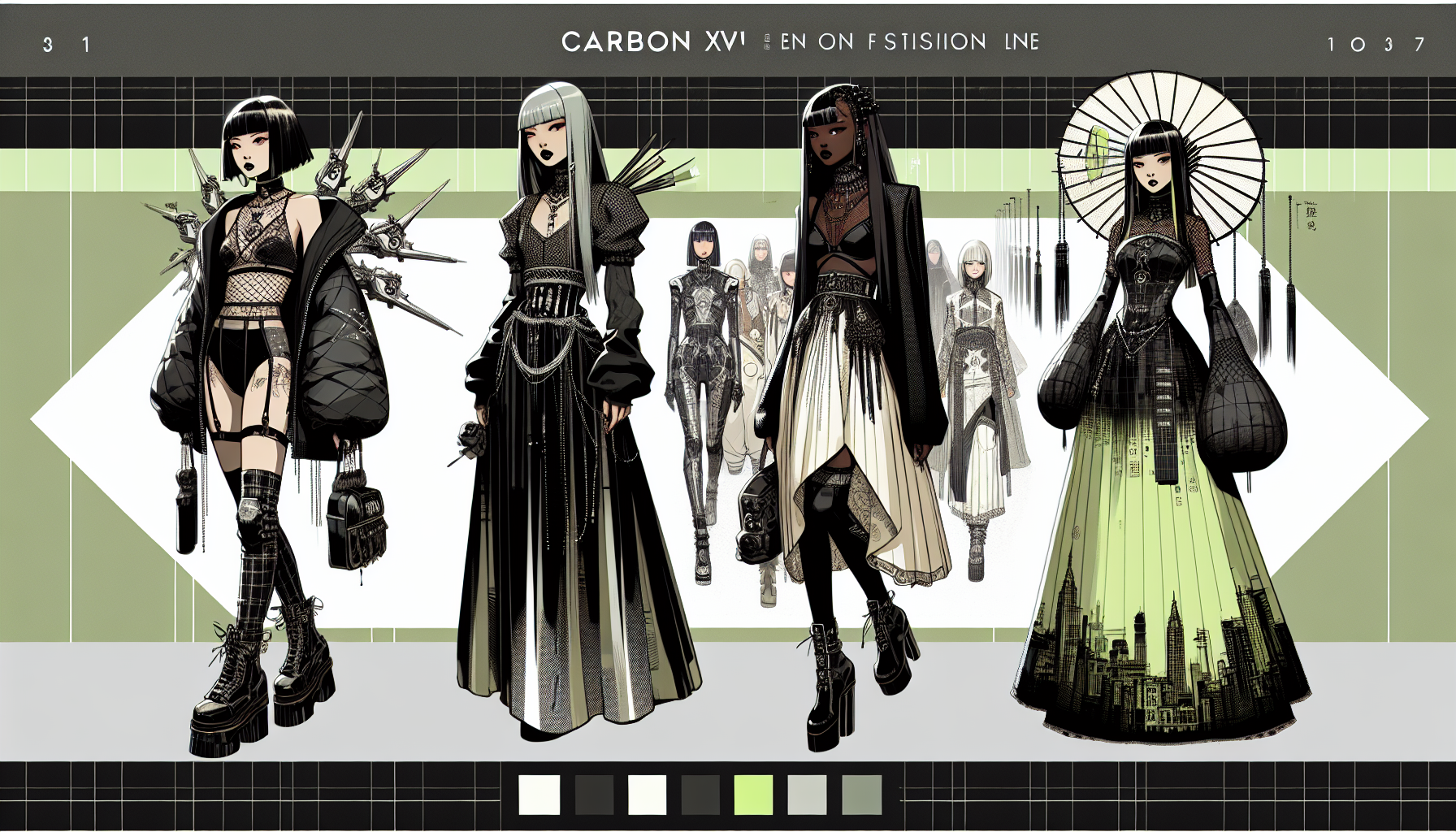
# Manga and Anime: Where Fashion Narratives Come Alive
You ever just marvel at the way a particular anime character's outfit becomes something of an icon? Think about it. You're watching a show and suddenly, the clothes seem to tell a story all their own. It's wild how a genre that started as simple drawings on paper can make waves in the global fashion scene. It's like the late-night ramen shops of Tokyo, where every steaming bowl tells a story of flavors past and present. And a lot of this can be traced back to how fashion in manga and anime has grown into a global style cycle.
Scribbled Threads: Fashion's Influence on Manga
Manga isn't just about fantastical plots or larger-than-life characters. It's a visual culture unto itself, deeply intertwined with fashion media and youth identity. Back in the day, manga didn't just mirror trends. Oh no, it helped set them. You'd see these vibrant comics influencing street style movements and fashion journalism, especially in Japan. They were like fashion zines, but with story arcs and character development. You know, the kind of stuff that makes you wonder if you should really be rocking that oversized hoodie or those oversized graphic t-shirts you love so much.
Shōjo Manga: The O.G. Fashion Magazines
Way before the likes of Nana or Sailor Moon, shōjo manga was already weaving fashion into its DNA. Think 1930s, illustrators like Jun’ichi Nakahara were combining romantic narratives with fashion illustrations in magazines for girls. These weren't just background props. They were like early Pinterest boards for young women. Fast forward a few decades, and magazines like Olive and CUTiE were blurring the lines between manga and real-life style icons. Manga artists were inspired by fashion spreads and vice versa. It's the kind of creative feedback loop that makes you want to dive into a Japanese Landscape Alien Tee and see where your imagination takes you.
#### Ai Yazawa's Nana: A Fashion Symphony
Now, if you haven't heard of Ai Yazawa's Nana, you're in for a treat. It's more than just a story about friendship and ambition. It's a masterclass in character styling. You've got Nana Osaki, the punk singer with a thing for Vivienne Westwood, channeling that 1990s Harajuku street style. Her looks aren't just outfits—they're mood, subtext, and a kind of semiotic armor. Then there's Nana Komatsu, whose style evolves from girlish to consumerist Tokyo chic. Ai Yazawa didn't just draw clothes; she crafted arcs through them. It's like seeing Carbon XIV's Fearless Warrior T-Shirt come to life as it tells its own story on the streets.
Sailor Moon: High Fashion Meets Heroism
For many outside Japan, Sailor Moon was the gateway drug into the world of manga and styled femininity. Naoko Takeuchi's design sensibilities were nothing short of a couturier's dream. Each transformation sequence introduced fresh silhouettes and accessories. And yeah, some of these outfits were inspired directly by 1990s haute couture. Remember Black Lady's Mugler-like ensemble? It's like the anime version of a Chanel runway show, only with cosmic battles and glittering transformation scenes. And speaking of things that blend tradition with the future, have you checked out the Samurai Geisha Alien Tee?
Fashion Narratives: Beyond the Pages
Manga and anime don't just depict cool clothes. They shape what cool even looks like. It's a language that speaks volumes without saying a word. And it teaches us to style our identities, whether we're channeling a punk singer from Tokyo or a magical girl fighting cosmic evils. Maybe that's why such styles resonate across generations and continents.
FAQ
What role does fashion play in manga and anime?
Fashion in manga and anime is more than just eye candy—it's a storytelling device. It shapes characters, reflects cultural currents, and even influences real-world fashion trends.
How does manga influence global fashion?
Manga introduces unique fashion aesthetics that often become global trends. Designers and fans alike draw inspiration from the looks and styles depicted in manga.
Why is Nana significant in the context of fashion?
Nana is significant because it integrates fashion into its narrative, using clothing to develop characters and reflect social trends. Ai Yazawa's background in fashion design adds authenticity to the series.
Is Sailor Moon's fashion inspired by real designers?
Yes! Naoko Takeuchi used haute couture as inspiration, with Sailor Moon's costumes echoing designs by Yves Saint Laurent, Thierry Mugler, and others.
SEO Metadata
Shop the Collection
Pieces from Carbon XIV that define the culture.
Alien Signal Tee
 Sale
SaleCarbon XIV Oversized Graphic T-Shirt
 Sale
SaleCarbon XIV Japanese Landscape Alien oversized Graphic Tee: Where Tradition Meets Futurism
 Sale
Sale