
From Kimono to Streetwear: Modern Japanese Fashion Influences
# From Kimono to Streetwear: Modern Japanese Fashion Influences
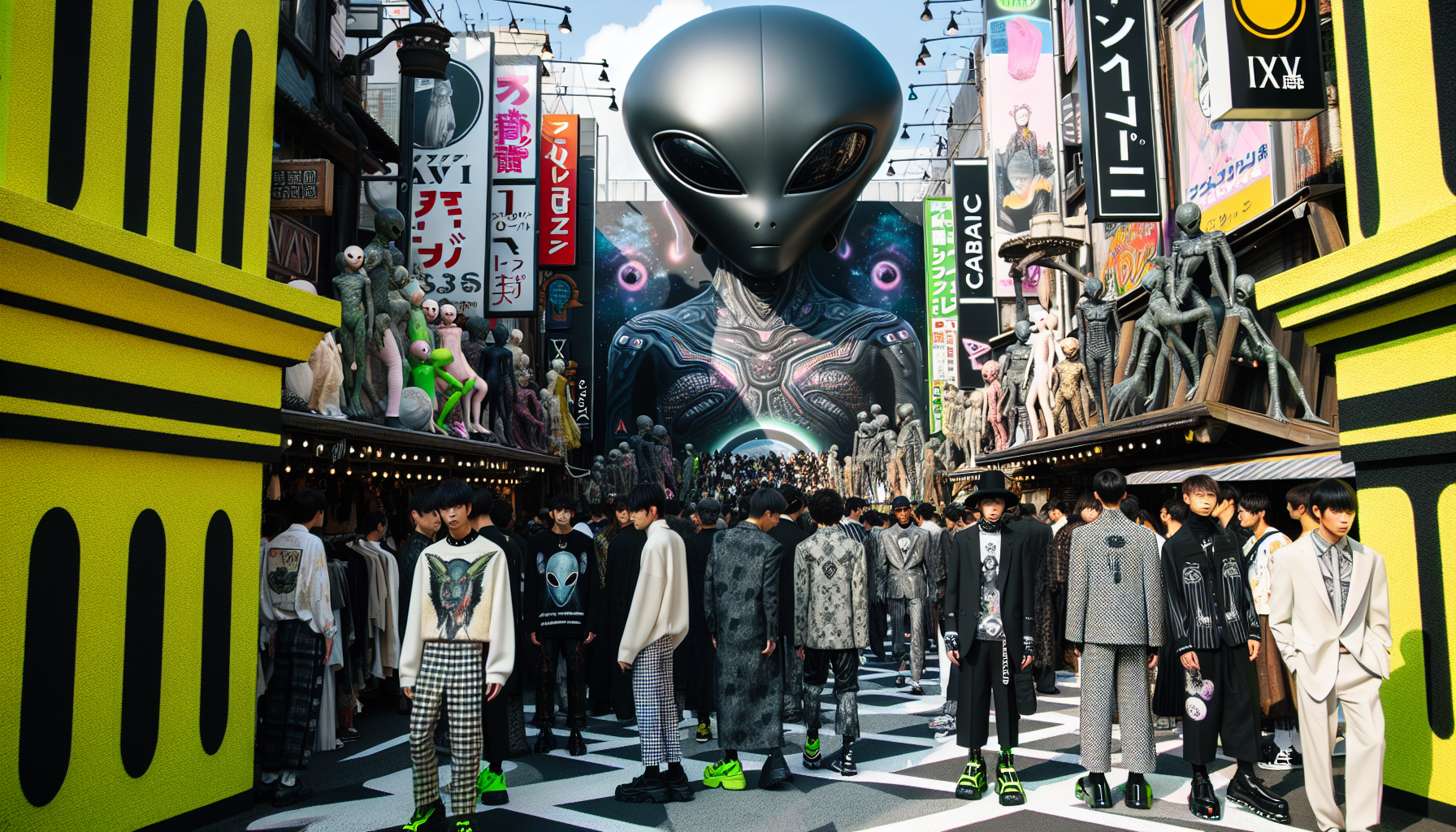
Picture this: you're walking through the bustling streets of Harajuku, Tokyo, a place where tradition and modernity dance together in every outfit you see. It's a wild mix of old-school kimono vibes and cutting-edge urban style, a literal runway for cultural fusion. But if you think this style mash-up happened overnight, you’re off the mark. Japanese fashion has been brewing something special for decades, blending the old with the new, and it's nothing short of fascinating.
The Art of Fusion: Tradition Meets Innovation
Let's get the facts straight. Traditional Japanese elements like the kimono and yukata aren't just museum pieces. They're living, breathing inspirations for modern designers worldwide. Just like that thesis on Scribd that dives deep into how these age-old styles influence today's fashion scene.
You see, fashion isn't just about clothes; it's a canvas for culture. Take the Carbon XIV Japanese Landscape Alien Tee for instance. It marries the serene beauty of traditional Japanese landscapes with a futuristic twist that's all too familiar in streetwear culture. It's practically wearable art.
Ikebana and the Aesthetic of Balance
Now, here's something not everyone knows – Japanese fashion has a lot to do with balance, just like ikebana, the art of flower arrangement. It's all about harmony and contrast, a concept that seeps into how clothes are designed and worn. Picture a sleek, modern silhouette paired with traditional patterns and textures. That's how you get a Fearless Warrior T-Shirt – a piece that holds its own on the streets while nodding to its cultural roots.
Street Fashion: Where Icons Are Born
Rewind to the ‘90s when Japanese streetwear began its meteoric rise. Designers like Yohji Yamamoto and Rei Kawakubo turned heads with their avant-garde interpretations of traditional Japanese clothing. Today, their influence spills over into the world of luxury streetwear, where bold statements are made with every stitch.
And let's not ignore the role of pop culture. Anime and manga have been pivotal in shaping Japan's fashion landscape. This influence is evident in designs like the Carbon XIV Samurai Cat T-Shirt, which combines playful graphics with samurai lore – a combo that's as unexpected as it is iconic.
The Role of Designer Brands
Japanese designer brands aren't just about clothes; they're about crafting an experience. Brands like Issey Miyake and Comme des Garçons weave stories into their collections, drawing heavily from Japan's rich cultural tapestry. This isn't fast fashion – it's a slow, thoughtful process that respects tradition while pushing the envelope on innovation.
These brands have set the bar high, inspiring pieces that are as much about self-expression as they are about aesthetics. The Pop Art Aliens T-Shirt is a lively nod to this ethos, capturing the vibrancy of pop art while remaining rooted in streetwear's edgy appeal.
The Non-Japanese Perspective
So, why does this fusion matter to someone outside Japan? Well, it's simple. The global fashion industry thrives on diversity and cross-cultural influences. Japanese fashion offers a unique lens through which we can appreciate the blend of ancient and modern, a perspective that's increasingly valuable in our interconnected world.
You may not wrap yourself in a kimono each day, but the essence of that tradition finds its way into your wardrobe, whether in a subtle silhouette or a bold print. It’s about seeing the world through a different lens, appreciating the nuances, and letting them inspire your personal style.
FAQs
What are some key influences of traditional Japanese culture on modern fashion?
Traditional Japanese culture influences modern fashion through elements like kimono patterns, minimalist aesthetics, and the concept of balance from arts like ikebana.
How have Japanese designer brands shaped the streetwear scene?
Japanese designer brands have introduced avant-garde concepts and a deep respect for craftsmanship, which have heavily influenced the global streetwear scene.
Why is there a significant focus on harmony in Japanese fashion?
Harmony is a core principle in Japanese culture, reflected in art and design. It's about balancing elements to create a cohesive aesthetic, a principle that's integral to Japanese fashion.
Can non-Japanese designers successfully integrate Japanese elements into their fashion lines?
Yes, non-Japanese designers can integrate these elements by respecting the cultural significance and understanding the aesthetics, creating pieces that celebrate this rich heritage.
SEO Metadata
**
Shop the Collection
Pieces from Carbon XIV that define the culture.
Alien Signal Tee
 Sale
SaleCarbon XIV Oversized Graphic T-Shirt
 Sale
SaleCarbon XIV Japanese Landscape Alien oversized Graphic Tee: Where Tradition Meets Futurism
 Sale
Sale