
From Kimono to Kicks: The Evolution of Japanese Fashion
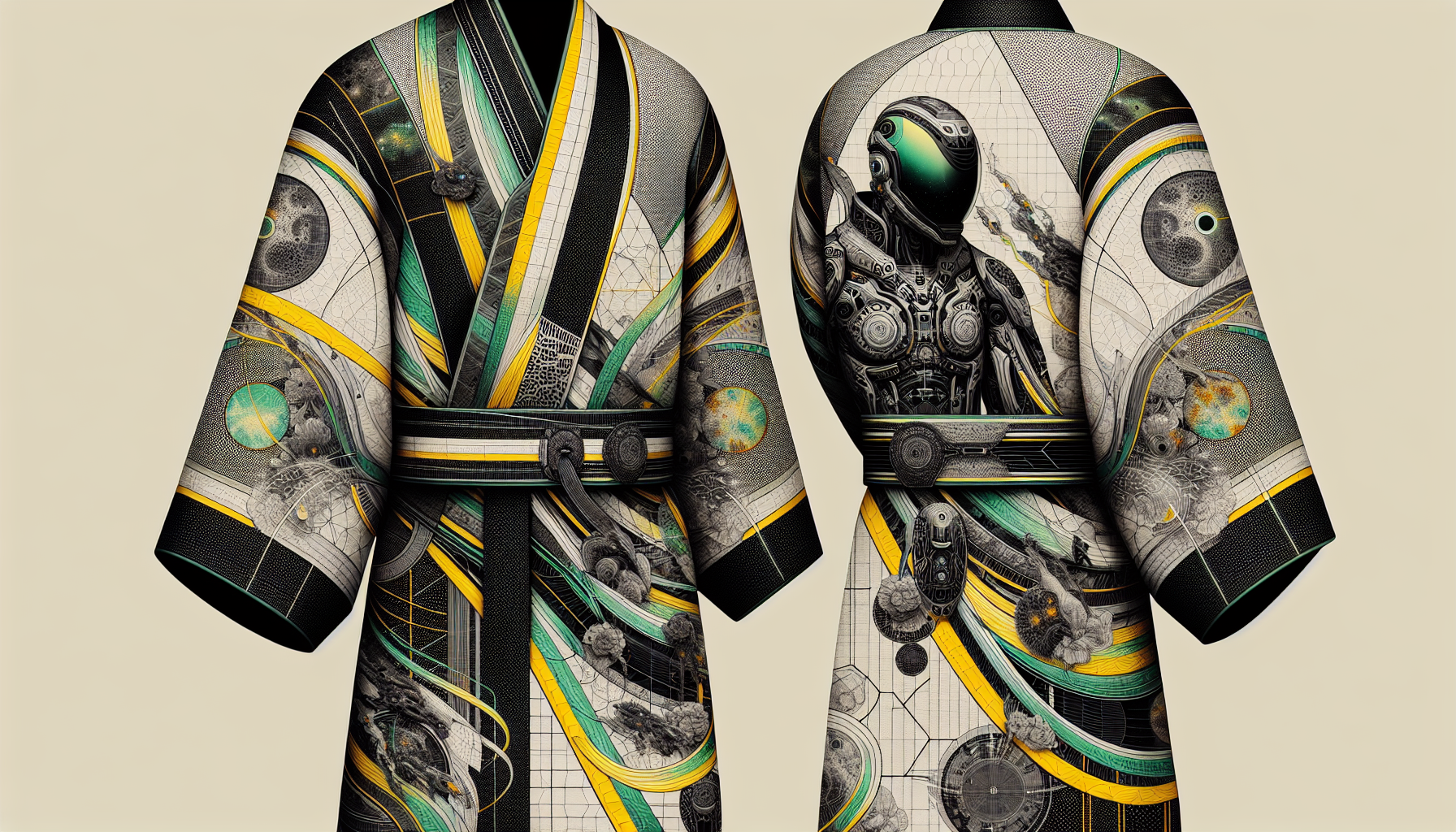
# From Kimono to Kicks: The Evolution of Japanese Fashion
Imagine walking through the bustling streets of Tokyo, feeling like you’ve landed somewhere between the past and the future. That’s Japanese fashion for you—a stunning blend of tradition and modernity. Ever wonder how Japan’s unique style journeyed from the Edo to the Meiji period? This isn’t just about kimonos and geishas, folks. It’s a revolution that even a TikTok video by Kai McKenzie couldn’t sum up in one minute.
The Edo Period: A Canvas of Tradition
The Edo period was like Japan's Renaissance, a time when art and culture bloomed like cherry blossoms. Clothing was no exception. The kimono ruled supreme—a garment not just for wearing but for storytelling. Back in those days, the more elaborate your kimono, the higher your social status. Gold threads, silk, and rich dyes were the norm—lavish, but not exactly ready for a TikTok dance challenge.
Oh, the samurai were quite the fashion icons too. Think of them as the original influencers. They didn't just wield swords; they sported armor as a statement piece. It's like a Carbon XIV Samurai Cat T-Shirt for the modern-day warrior. You can almost see the parallels—a celebration of style and strength.
Western Influence and the Meiji Shift
Then came the Meiji era, when Japan looked westward. It was like someone switched the radio from classical to hip-hop overnight. Suddenly, Western suits and dresses started popping up. Think of it as Gucci meeting traditional Japanese embroidery.
But here’s where it gets interesting: the fusion didn’t end. The tradition stayed but evolved. Japanese designers began to blend Western cuts with Eastern aesthetics. Fast forward a hundred years and you’re looking at brands like Comme des Garçons, Issey Miyake, and even streetwear like Carbon XIV's Oversized Graphic T-Shirt, which echoes this fusion of past and future.
The Rise of Streetwear: A New Era
So, how did we get from rigid kimonos to art-infused tees? The power of streetwear, my friend. Influenced by the gritty urban culture of Harajuku, the Japanese style became a playground of colors, patterns, and narratives. And it’s not just about looking good. It’s about making a statement.
Take the Carbon XIV Japanese Landscape Alien Tee, for example. It's not just a tee; it's a conversation starter. It’s what happens when classic Japanese motifs meet a sci-fi twist. A seamless blend of tradition and modernity that you can wear, and wear it proudly.
Japan’s Influence on Global Fashion
Today, Japanese fashion is more than just a regional style—it's a global phenomenon. Designers worldwide borrow from Japan’s rich tapestry of history and innovation. You see it on runways, in street style, and even in the most unexpected places. And hey, if you’re looking to get in on the action, start small. Maybe a Carbon XIV Samurai Geisha Alien Tee to add that layer of depth to your wardrobe. Trust me, you won’t look back.
The Future: Where Are We Heading?
So here we are, at the crossroads of past and future, asking: where does Japanese fashion go next? With sustainability becoming more than just a trend, the focus might shift to eco-friendly materials and practices. But one thing's for sure—Japanese fashion will continue to innovate while honoring its roots. It’s like a never-ending story, one that evolves with each page.
FAQs
What defines Japanese fashion?
Japanese fashion is a blend of traditional elements like kimonos and modern influences, characterized by its unique fusion of aesthetics.
How did Western fashion influence Japan?
Western fashion introduced new fabrics and styles during the Meiji era, which were then adapted to fit Japanese cultural narratives.
What’s the significance of streetwear in Japan?
Streetwear is a significant aspect of Japanese fashion, offering a platform for expression and innovation in design and narrative.
Is Japanese fashion eco-friendly?
The trend is shifting towards sustainability, with increasing focus on eco-friendly materials and ethical practices.
SEO Metadata
**
Shop the Collection
Pieces from Carbon XIV that define the culture.
Alien Signal Tee
 Sale
SaleCarbon XIV Oversized Graphic T-Shirt
 Sale
SaleCarbon XIV Japanese Landscape Alien oversized Graphic Tee: Where Tradition Meets Futurism
 Sale
Sale