
From Edo to Meiji: The Evolution of Japanese Fashion
# From Edo to Meiji: The Evolution of Japanese Fashion
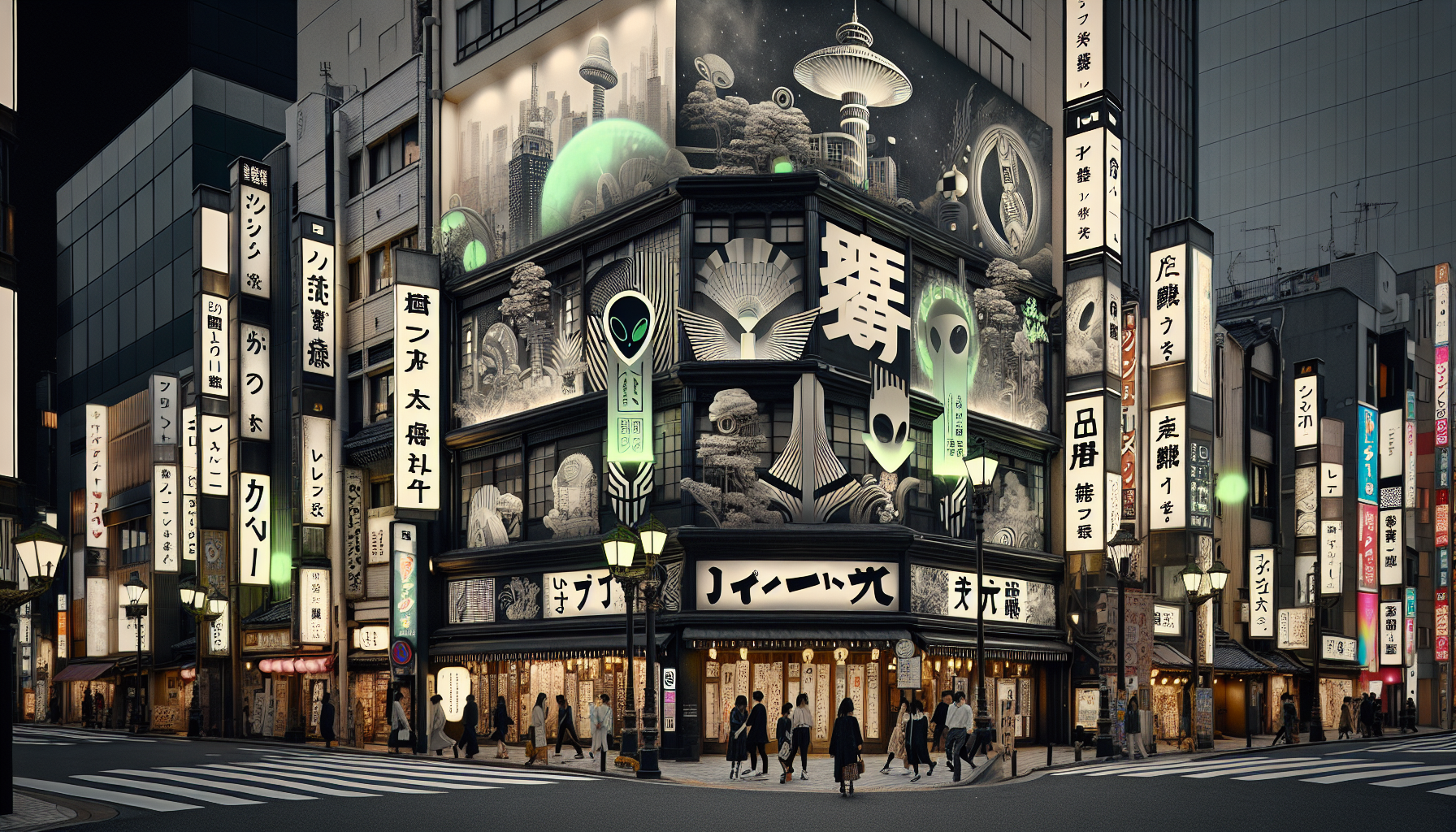
Picture this: a bustling street in Tokyo, somewhere between the flickering glow of Akihabara's neon lights and the quiet serenity of an ancient temple. A clash of tradition and futurism, much like the way Japanese fashion has fused elements from its storied past with modern aesthetics. The transition from Edo to Meiji in Japanese fashion is like watching an artist slowly paint a masterpiece, stroke by stroke, blending old hues with bold new lines.
And honestly, isn't that what fashion is all about? Taking bits and pieces from different eras to create something uniquely your own. It's no wonder Japanese fashion has captivated the world, from Harajuku's eclecticism to the minimalist elegance of brands like Yohji Yamamoto or Issey Miyake.
The Edo Period: A Study in Simplicity and Symbolism
The Edo period, spanning from 1603 to 1868, wasn't just about samurai and geishas. It was a time of peace, order, and closed borders—pretty much the opposite of what's happening in fashion today. But this isolation led to a unique cultural development, and fashion was no exception. Kimonos ruled the roost, each layer and pattern laden with symbolism.
Imagine the elegance of a Samurai Geisha Alien Tee echoing that era—it's a modern nod to this intricate past. The kimono became a canvas for storytelling, with motifs representing everything from longevity to love, a concept we still see in streetwear's storytelling today.
Meiji Restoration: A Western Influence
Then, the Meiji Restoration happened, and it was like someone flipped the cultural switch. Suddenly, Japan was opening up to Western influences, and with that, came a radical transformation in style. The kimono didn't disappear—instead, it adapted. Western suits and dresses began to intermingle with traditional Japanese attire, much like how today's streetwear blends high fashion with casual comfort.
This fusion is evident in pieces like the Japanese Landscape Alien Tee. It combines the allure of Japanese landscapes with a futuristic twist, mirroring how Meiji fashion embraced the best of both worlds. The period's Western-influenced military uniforms also left a mark, leading to attire that was as practical as it was stylish.
A Modern Reflection: The Carbon XIV Collection
Fast forward to today, and you’ve got a melting pot of influences that make up Japanese fashion. It’s like a giant, never-ending TikTok of style evolutions. Speaking of which, a quick shoutout to Kai McKenzie’s TikTok (here), which dives into these transitions with insight and flair.
Now, let's talk about the Carbon XIV Oversized Graphic T-Shirt. It’s a testament to how fashion can be both an art form and a statement. The oversized fit harks back to the flowing nature of kimonos, while the graphic elements are all about pushing boundaries—something both Edo and Meiji fashion did in their own ways.
Streetwear: The New Kimono
In a way, today's streetwear is the new kimono—a means of expressing identity and resisting conformity. Whether it’s a Pop Art Aliens T-Shirt that screams vibrant rebellion or a Fearless Warrior T-Shirt that pays homage to the samurai spirit, these pieces aren’t just clothes; they’re narratives.
FAQs About Japanese Fashion Evolution
How did Western fashion influence the Meiji period?
Western fashion introduced tailored suits and dresses, influencing traditional Japanese attire by incorporating more structured silhouettes and new materials.
Why are kimonos significant in Japanese culture?
Kimonos are symbolic in Japanese culture, often representing social status, personal identity, and cultural heritage through their design and fabric.
What's the connection between traditional Japanese attire and modern streetwear?
Both are forms of personal expression and storytelling, using design and iconography to reflect cultural and individual identity.
Can traditional Japanese fashion elements be seen in Carbon XIV’s collections?
Absolutely. Carbon XIV pieces like the Samurai Cat T-Shirt embody the blend of tradition and modernity, much like the transition from Edo to Meiji.
SEO Metadata
**
Shop the Collection
Pieces from Carbon XIV that define the culture.
Alien Signal Tee
 Sale
SaleCarbon XIV Oversized Graphic T-Shirt
 Sale
SaleCarbon XIV Japanese Landscape Alien oversized Graphic Tee: Where Tradition Meets Futurism
 Sale
Sale