
Edo Dreams & Meiji Realities: When Kimono Met Denim
# Edo Dreams & Meiji Realities: When Kimono Met Denim
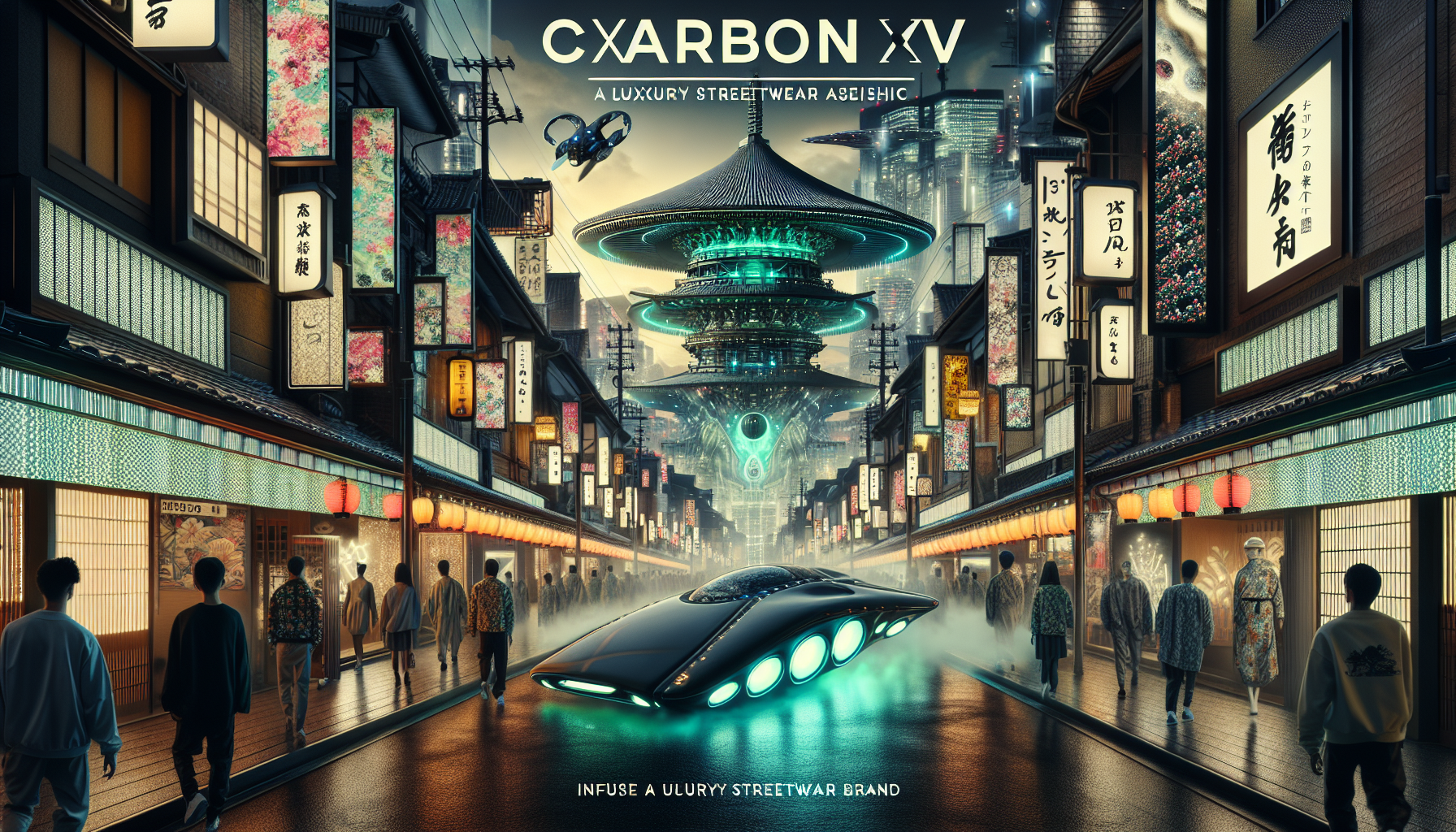
Picture this: a bustling street in Tokyo, where neon lights clash with the traditional architecture of historic temples. In one corner, a teenager rocks baggy jeans with a vintage kimono jacket, effortlessly blending the past with the future. That's right, we're diving into the epic fashion journey from Edo to Meiji, a transition that still influences Japanese fashion today—and is pretty much the DNA of everything cool in Carbon XIV's collection.
The Edo Era: Where It All Began
Back in the day—think 1603 to 1868—the Edo period was all about elegance. We're talking kimono, obi belts, and the finest silks and brocades you can imagine. While the samurai were flexing their status with intricate details, common folks had their own flair too. It was a time when your outfit spoke before you did. If Edo's fashion were on the 'gram today, hashtags like #SilkSovereignty would be trending.
But the real kicker? The craftsmanship. Every stitch was a story, every pattern a narrative. It's no wonder you see echoes of these styles in modern streetwear. Just peep the Samurai Geisha Alien Tee from Carbon XIV—it's like Edo met Mars and had a stylish baby.
Meiji Era: Western Winds
Then came the Meiji Restoration in 1868, and suddenly, the West was everywhere. Imagine walking past a sumo ring and seeing men in bowler hats and suits instead of the traditional attire. Talk about a culture shock! The Meiji era was like the fashion industry's rebellious teenager phase. New materials, new styles, everything was up for grabs.
Denim made its grand entrance, bringing an industrial edge that was as foreign as it was exciting. It's a fabric that still dominates the global fashion scene, seamlessly blending with cultural icons. Even today, pieces like the Japanese Landscape Alien Tee capture that essence—melding tradition with a modern twist.
Streetwear: The Legacy Continues
Fast forward to today, and Tokyo's Harajuku district is a melting pot of these historical influences. Kids on TikTok, like Kai McKenzie, are celebrating this fusion by pairing oversized graphic tees with kimono-inspired elements. It's a vibe that's both nostalgic and forward-thinking.
Carbon XIV taps into this with its bold collections. The Samurai Cat T-Shirt is a prime example. A fierce feline warrior on your shirt? It’s tradition and rebellion wrapped in one.
Why It Matters
And here's the thing: fashion isn't just about looking good. It's history you can wear, a canvas of cultural dialogue. Every oversized tee and Japanese motif is an homage to a past that's still shaping our future. So when you're rocking Carbon XIV, you're not just wearing a shirt—you're wearing a story.
FAQ
What defines Edo-era fashion?
Edo-era fashion was defined by its use of luxurious fabrics like silk, intricate patterns, and elaborate designs, primarily seen in kimonos and obi belts.
How did Meiji era affect Japanese fashion?
The Meiji era introduced Western styles and materials, such as denim and suits, creating a fusion of traditional Japanese elements with Western influences.
Why is streetwear popular in Japan?
Streetwear in Japan is popular due to its ability to blend traditional Japanese motifs with modern, edgy designs, reflecting the country's unique cultural evolution.
How does Carbon XIV incorporate Japanese influences?
Carbon XIV incorporates Japanese influences by combining traditional motifs and stories with futuristic, bold designs, like those seen in their graphic tees.
SEO Metadata
**
Shop the Collection
Pieces from Carbon XIV that define the culture.
Alien Signal Tee
 Sale
SaleCarbon XIV Oversized Graphic T-Shirt
 Sale
SaleCarbon XIV Japanese Landscape Alien oversized Graphic Tee: Where Tradition Meets Futurism
 Sale
Sale