
Crafting Your Own Yukata: Tradition Meets Modern Streetwear
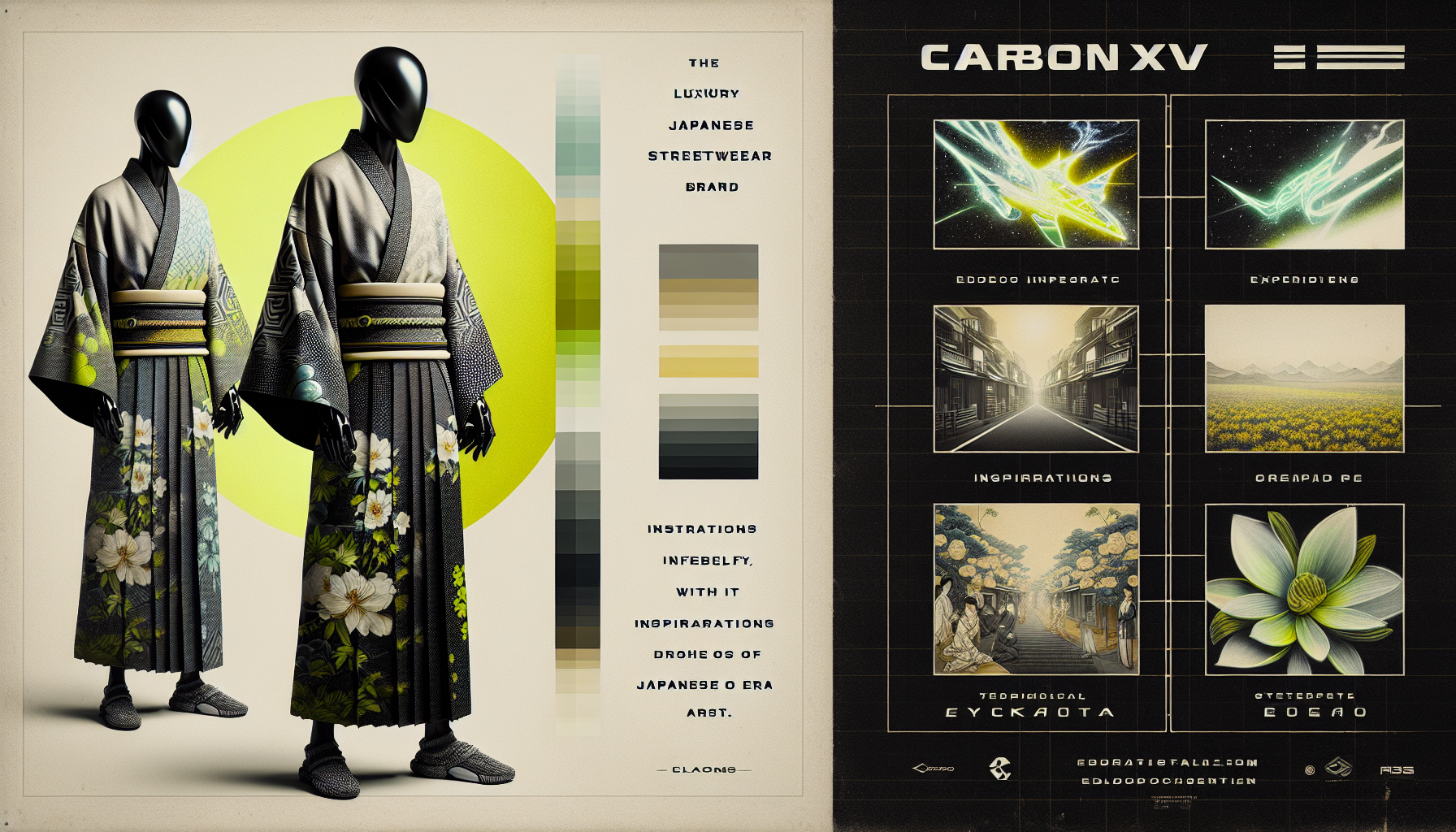
# Crafting Your Own Yukata: Tradition Meets Modern Streetwear
Picture this: you're walking through the bustling streets of Harajuku, neon lights reflecting off every surface. Among the sea of unique fashion, there's one piece that stands out—a Carbon XIV Japanese Landscape Alien Tee that blends seamlessly with the futuristic yet traditionally inspired aesthetic. It’s not just a shirt; it’s a statement. The same could be said about crafting your own yukata, a garment steeped in history yet perfectly at home in today's fashion-forward world.
The Evolution of the Yukata
Before we dive into the artistry of making a yukata, let’s talk history. The yukata's roots go back to the Heian Period (794–1185), where it began life as a simple bath garment for nobles. Fast forward to the Edo Period (1603–1868), it was transformed into casual summer wear for the masses, thanks to cotton's comfort and indigo dyes that repelled insects. This evolution shows the yukata's journey from practical origins to a cultural icon, much like how a Carbon XIV Samurai Geisha Alien Tee turns clothing into wearable art.
And today? Modern yukatas are lightweight, unlined, and—let’s face it—perfect for hot summers or lounging at home. They share their fundamental construction with more formal kimonos, yet their casual nature allows them to fit seamlessly into both traditional and modern wardrobes.
The Art of Zero-Waste Cutting
In an era where sustainability is on everyone's lips, the traditional methods of making a yukata seem almost prophetic. Enter the tanmono, a single bolt of fabric historically used to cut every part of the garment. The genius here is its zero-waste approach, something streetwear enthusiasts can appreciate for its efficiency and eco-friendliness.
By folding the fabric into strips, you create the body, sleeves, and collar, all without waste. It's a practice that mirrors the ethos behind some of our favorite streetwear pieces, like the Carbon XIV Pop Art Aliens T-Shirt, which combines thoughtful design with striking visuals.
Fabric and Fit: A Modern Take
Choosing the right fabric is crucial. This isn’t just about aesthetics; it’s about the experience. A cotton and viscose blend offers breathability and a luxurious drape—perfect for the modern yukata. This blend, like the bold designs in our Carbon XIV Fearless Warrior T-Shirt, brings together the best of both worlds.
Yukatas traditionally featured a longer cut to allow for the ohashori tuck, a design element that transcends function and becomes a stylistic signature. But for those who prefer simplicity, modern cuts eliminate this tuck, creating a piece that’s as easy to wear as it is stunning.
Aligning With Tradition
Creating a yukata involves straight lines and perfect right angles, a geometric dance that’s all about precision. It’s about finding the yama (mountain) in your fabric, the folds that guide construction. These lines are as vital as the brushstrokes in a painting or the stitches in a Carbon XIV Samurai Cat T-Shirt, each step an homage to centuries of craftsmanship.
Source
For the full deep dive into yukata crafting, check out House of Kimono's comprehensive guide.
FAQ
What’s the difference between a yukata and a kimono?
A yukata is a casual, unlined garment perfect for summer, while a kimono is often lined and more formal.
Why is the yukata considered zero-waste?
Its construction from a single bolt of fabric ensures minimal waste, honoring traditional sustainability practices.
How does the yukata fit into modern fashion?
With its blend of tradition and casual wearability, it complements streetwear and everyday fashion seamlessly.
SEO Metadata
**
Shop the Collection
Pieces from Carbon XIV that define the culture.
Alien Signal Tee
 Sale
SaleCarbon XIV Oversized Graphic T-Shirt
 Sale
SaleCarbon XIV Japanese Landscape Alien oversized Graphic Tee: Where Tradition Meets Futurism
 Sale
Sale